By Elham Asaad Buaras
Scrutiny has grown over claims that coverage of the London stabbings on April 29, in which a Muslim man and two Jewish men were attacked in separate incidents, was selectively framed by sections of the media, police and political leaders, with critics alleging that the Muslim victim, Ishmail Hussein, was effectively “erased” from early reporting.
Opposition figures and MPs say Hussein, who was stabbed in Southwark during the stabbings, was sidelined in initial coverage of the case, while attention quickly shifted to two Jewish victims in Golders Green, fuelling accusations of a politically charged narrative.
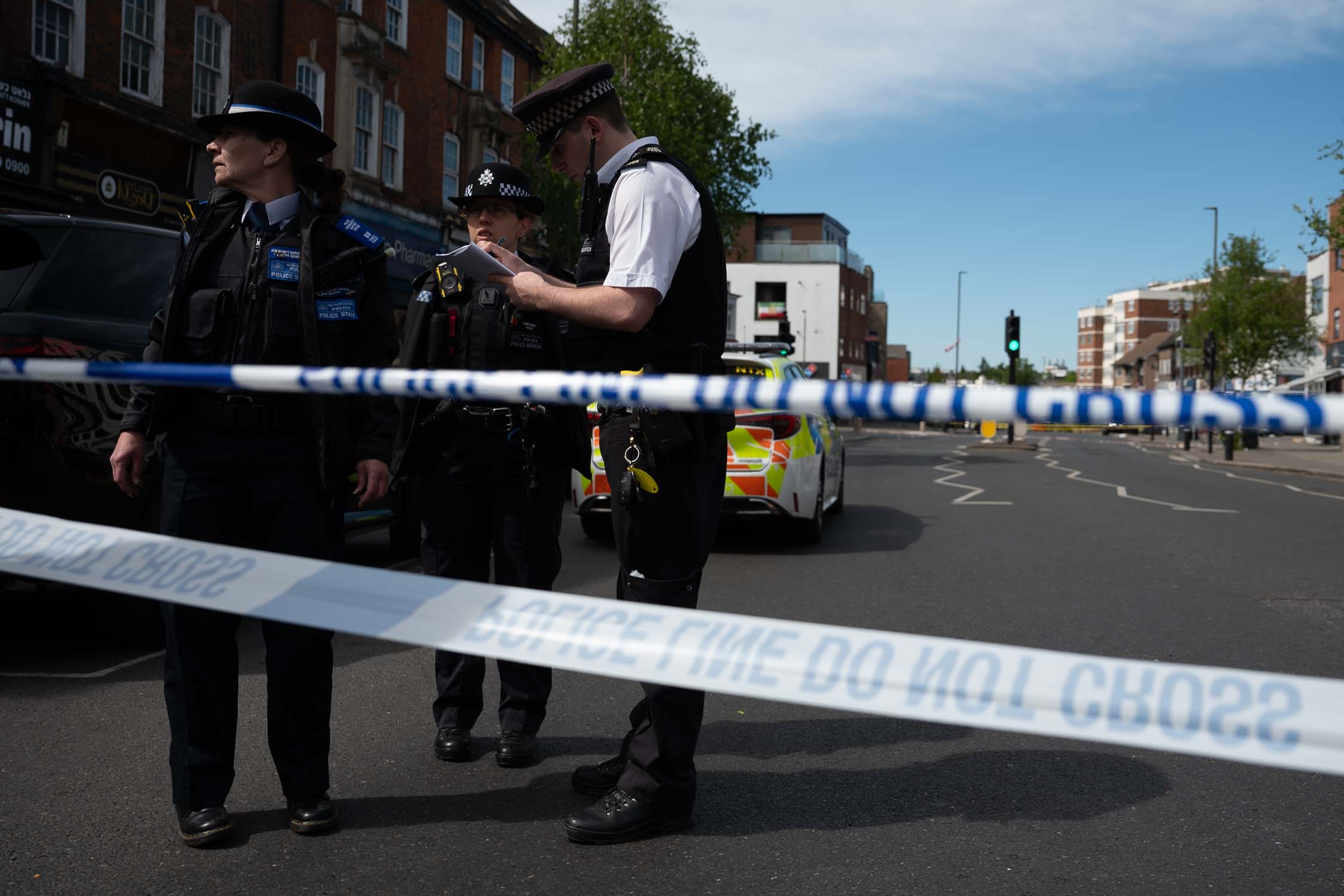
The stabbings, initially investigated with support from counterterrorism units, have since become entangled in a wider debate over antisemitism, policing, and attempts to implicate pro-Palestinian demonstrations in the aftermath.
Police allege that Essa Suleiman, 45, first attacked Hussein at a home in Southwark at around 8am before travelling across London to Golders Green, where, shortly after 11am, he allegedly stabbed, Shloime Rand, 34, and Norman Shine, 76.
Armed officers later tasered Suleiman at the scene. He subsequently suffered a “medical episode” and was taken to hospital. Reports have indicated a history of serious violence and mental health issues.
On May 1, Suleiman appeared at Westminster Magistrates’ Court charged with three counts of attempted murder — one for each alleged victim.
Despite the three charges, early media coverage focused overwhelmingly on the Golders Green incident, critics say, with Hussein frequently omitted altogether.
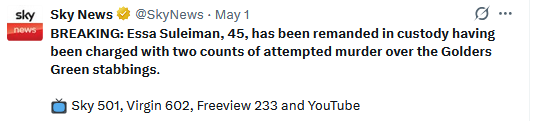
One Sky News post sparked particular anger after it stated Suleiman had been charged with “two counts of attempted murder over the Golders Green stabbings”, with no mention of the Southwark victim.
It read: “BREAKING: Essa Suleiman, 45, has been remanded in custody having been charged with two counts of attempted murder over the Golders Green stabbings.”
MP Ayoub Khan accused outlets of ignoring the Muslim victim, saying: “Three charges of attempted murder, and it appears that this was both an antisemitic and Islamophobic attack. Why is the media ignoring the attack on the Muslim victim? This disparity is disturbing, to say the least.”
Journalist Owen Jones also hit out, posting: “What? He’s been charged with THREE counts of attempted murder. The third alleged victim is Ishmail Hussein. What is the editorial justification for not even stating that it’s three counts of attempted murder!”
Across multiple outlets, Hussein was either omitted from headlines or mentioned briefly without detail, a disparity now at the centre of the controversy.
The Metropolitan Police has also faced scrutiny over its early framing of the incidents.
While the Golders Green attack was described as a “terrorist incident”, the earlier assault on Hussein was initially referred to as an “altercation” — prompting accusations of inconsistency and a hierarchy of seriousness.
A later police post again referred only to “two men stabbed in Golders Green”, stating: “A man will appear in court today charged following a Counter Terrorism Policing investigation into two men stabbed in #GoldersGreen.”
Solicitor advocate Tayib Ali accused police of misleading the public, saying: “This man is charged with 3 attempted murders… Why hide that from the headline?”
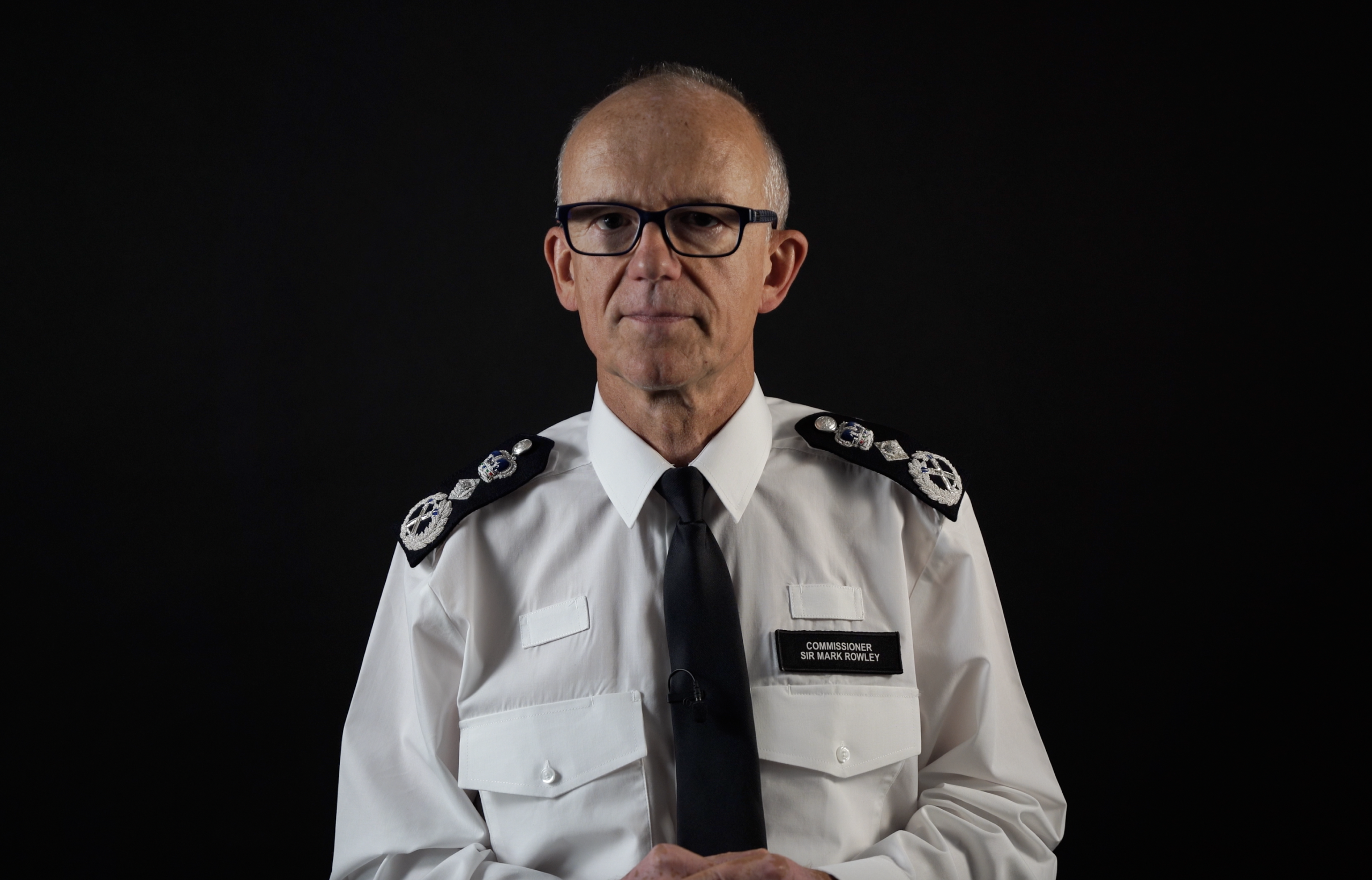
Further anger has erupted after Metropolitan Police Commissioner Sir Mark Rowley made comments about pro-Palestinian protest routes reportedly passing synagogues.
Speaking in comments reported by The Times, he said: “Their initial suggestion for their route, their march, has involved walking by a synagogue. Each time we’ve prevented that, we’ve put conditions on.”
He added: “That feels like antisemitism. That may be a fair or unfair inference, but that’s the message it sends.”
The Palestine Coalition has demanded a retraction, calling the remarks “incomprehensible and defamatory” and rejecting any suggestion of intent to target synagogues.
Prime Minister Sir Keir Starmer described the Golders Green attack as “the latest attack on the Jewish community for being Jewish”, adding: “My message to Jewish people is this: you belong here, and we will do everything we can to keep you safe.”
Critics noted there was no equivalent mention of Hussein or acknowledgement of the third victim in his public messaging.
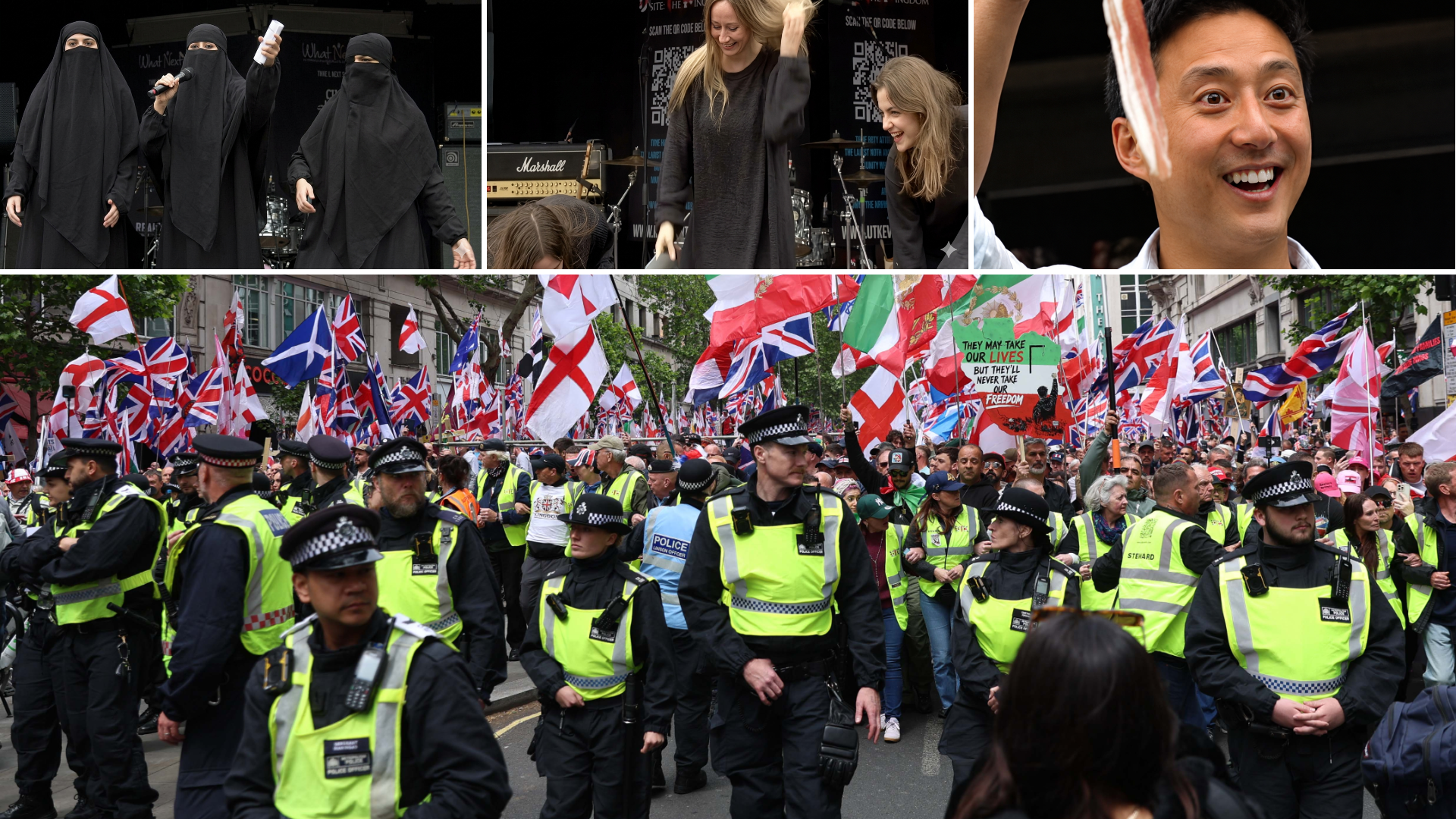
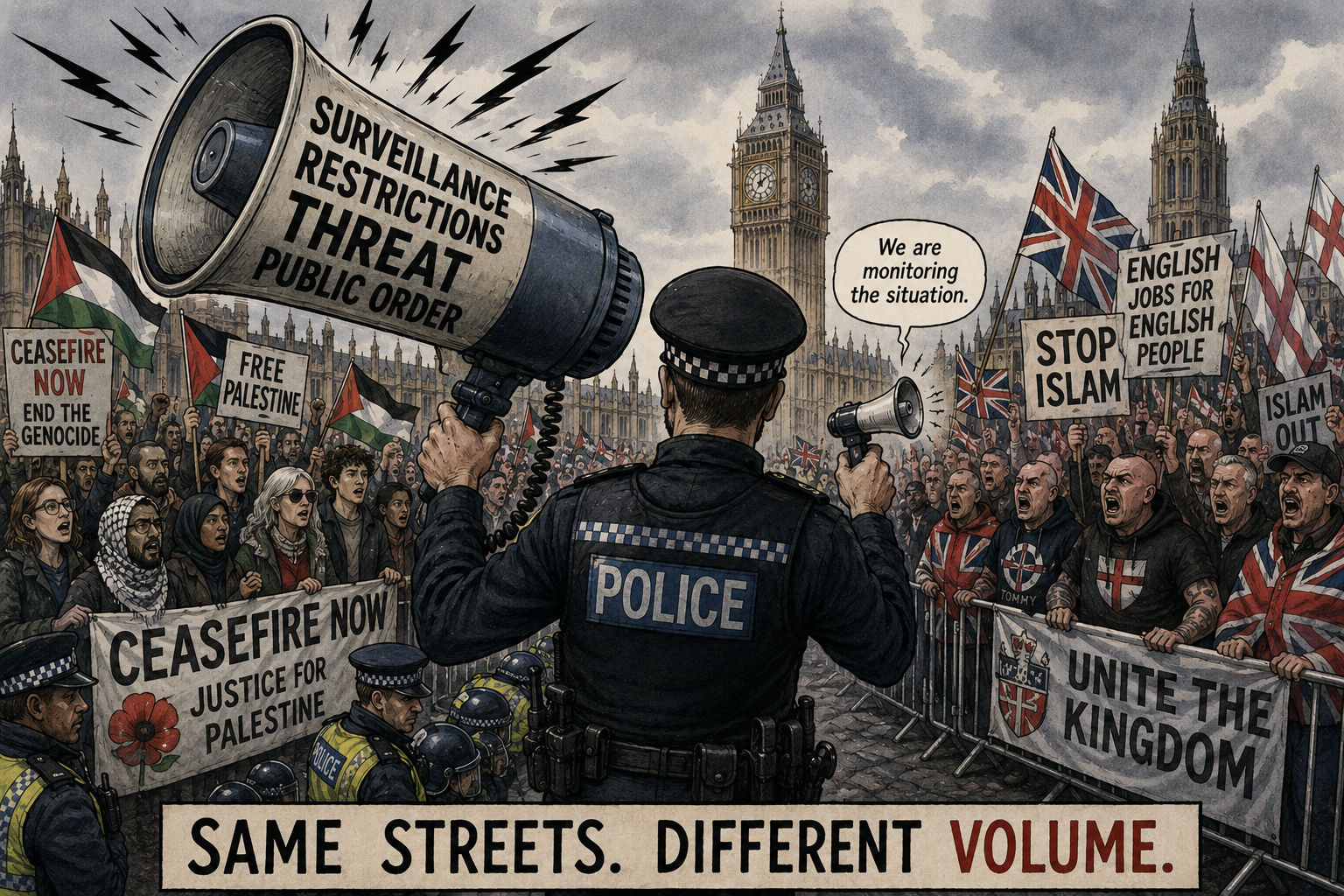
Within days, the incident became part of a broader political row over pro-Palestinian demonstrations.
Jonathan Hall, the Independent Reviewer of Terrorism Legislation, called for a “moratorium” on marches, warning of antisemitic rhetoric emerging within protests.
Starmer also signalled support for tougher restrictions on slogans such as “globalise the intifada”.
Campaign groups, however, rejected any connection between the attack and protest movements, calling the claims “false” and “unacceptable”.
John Rees of the Stop the War Coalition said: “The individual was mentally ill and had been part of the Prevent programme. On the very same morning, he had also attacked a Muslim man… There is no evidence that they had ever attended a march.”
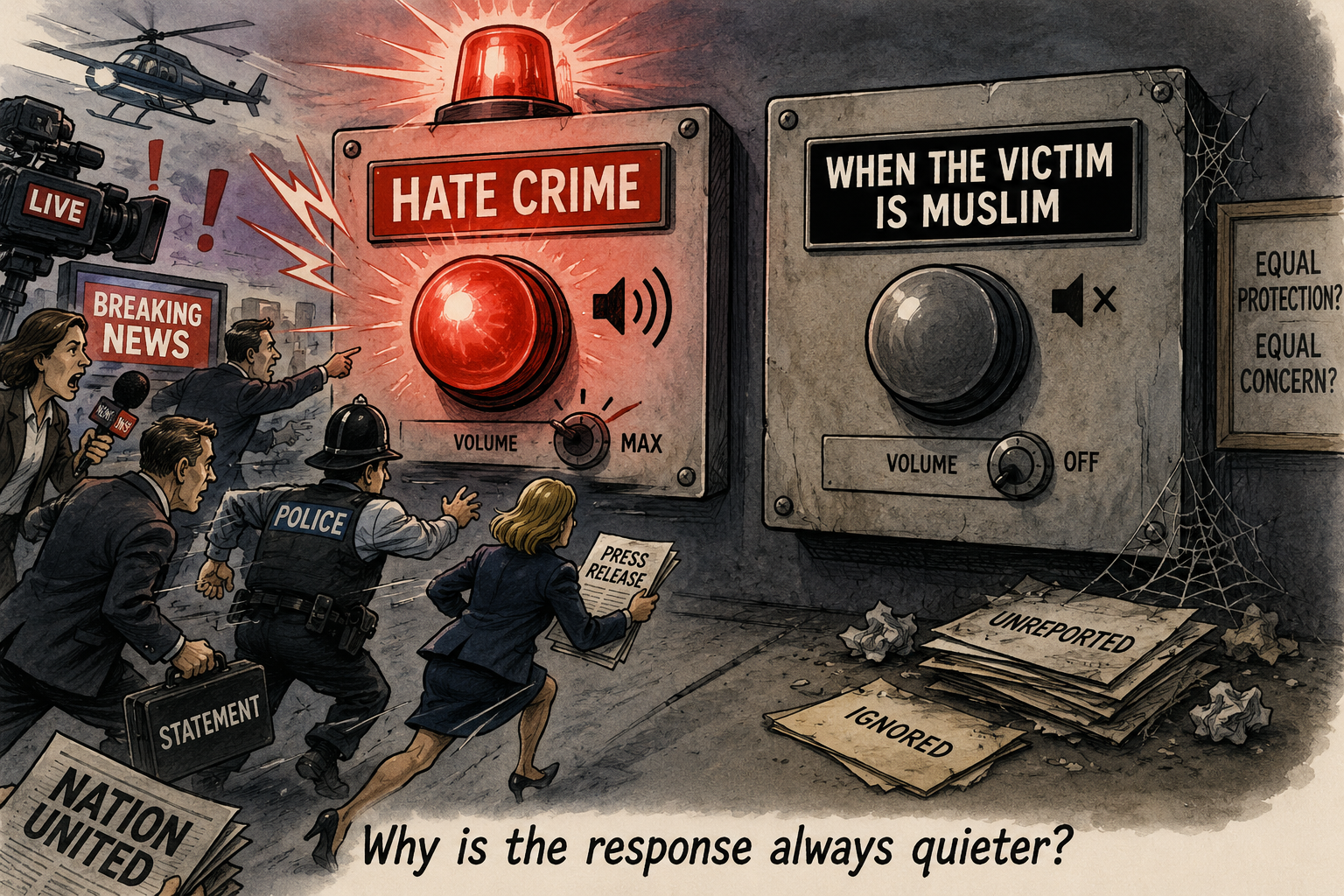
The controversy has widened further amid claims of unequal political and media responses to different communities affected by violence.
Broadcaster Natasha Devon told Sky News there was a “blatant hierarchy of racism”, arguing that attacks on Jewish communities receive immediate high-level political and media responses, while incidents affecting Muslim, Sikh and other minority groups receive less sustained attention.
She cited data showing multiple attacks on mosques and assaults on Muslim and Sikh women in recent months.
“When that appalling stabbing happened, Keir Starmer called a COBRA meeting,” she said. “That response did not happen when a Muslim woman was targeted… or when 50 mosques were targeted.”
Her comments were echoed by the Muslim Council of Britain, which also raised concerns over the reporting of the case, saying the disparity in coverage “raises serious questions”.
It said far less attention had been given to the Muslim victim in early reporting, compared with the two victims in Golders Green, and warned that attempts to link British Muslims or pro-Palestinian advocacy with rising antisemitism were “inaccurate, unfair and counterproductive”.
Critics have also questioned early media framing of the incident, arguing that not all victims received equal prominence in coverage.