Scientists have reported that they have developed a technique to help repair damaged nerves using spider and silkworm silk.
The silks form a connection between the nerves that act like scaffolding, which guides the nerve fibres to grow back across the gap and help reconnect nerve endings. Unlike skin or bone, nerve tissue regenerates extremely slowly, at roughly 1mm per day under ideal conditions, and without a physical guide, regrowth can become disorganised or fail entirely. Scar tissue can also form at the injury site, creating a barrier that prevents successful reconnection.
Researchers at the University of Oxford, through a biotech start‑up called Newrotex, have developed this “off‑the‑shelf” implant made from golden orb‑weaver spider silk combined with silkworm silk. The research builds on more than a decade of biomaterials studies exploring spider silk’s unique strength, flexibility and biocompatibility in regenerative medicine Reconnecting nerves after injury is something that is difficult for the body to do on its own, there are procedures for grafting nerves from other parts of the body but the success rate for this is low and often has a high complication rate.
Peripheral nerve damage will affect around 10% of the population in the UK at some point in their lifetime. Such injuries commonly result from road traffic accidents, industrial injuries, knife wounds and some cancer surgeries. If nerves are severed or severely damaged it can lead to paralysis, numbness or reduction in sensation and movement in the affected area. Repairing nerve damage is difficult for the body and the damage can become permanent. For many patients, unsuccessful repair can mean lifelong disability, chronic pain, and an inability to return to work.
At the forefront of this discovery is Professor Alex Woods, founder of Newrotex. Speaking about the new technology he emphasised the problems with current treatment of nerve damage, using autografts, where nerves are taken from another part of the body to help repair the damaged nerves: “… the problem with this is that we’re not actually creating a cure – because we have to remove a nerve from an area of the body in order to heal the initial injury, we’re simply trading the nerve damage in one area for damage in another” .
Approximately 300,000 peripheral nerve injuries are treated annually in the NHS, autograft surgery yields a less than 50% recovery rate and carries a 27% complication rate. Autografts also require sacrificing a healthy sensory nerve (often from the leg) which can leave patients with lasting numbness or discomfort at the donor site. Using the spider silk offers another approach to the repair of nerves. According to Prof Wood the silk acts as a “trellis-like structure that bridges damaged nerves, so that they can essentially grow back together”.
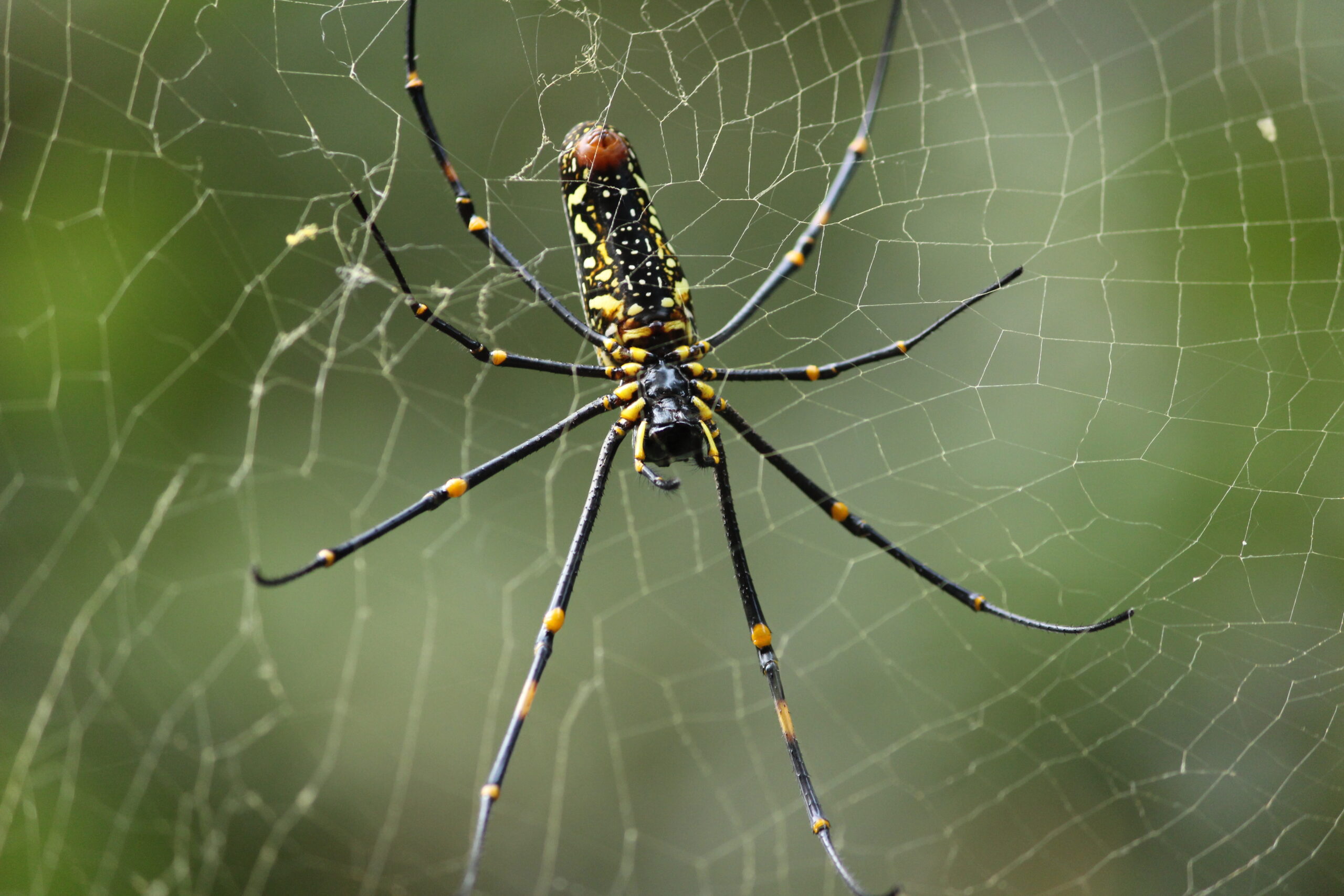
Newrotex has proposed using silks from golden orb web spiders (genus Nephila),, which are thinner than a human hair yet stronger than steel by weight. When a peripheral nerve is damaged there is a gap between the two ends, the silk fibres are arranged in a biodegradable conduit vessel and each nerve is inserted into each end, and the nerve cells positioned so they sit on the silk fibres. The nerve cells then grow along the fibres, which provide a pathway, once they reach the other side of the gap they can connect and sensation or movement can slowly improve. The silk remains in place for several months, which is long enough for nerve regeneration to happen over gaps of up to 10cm, which nerves would not be able to do on their own. Animal studies have demonstrated successful regeneration across long gaps, offering hope for injuries previously considered too severe to repair effectively. The silk is biocompatible and is eventually broken down by the body, with no trace left after 2 years.
The research is currently still in the experimental stage but has shown good promise in animal studies. Using the silk helps to eliminate the need for extra surgery to take nerves from other parts of the body, lowers the risk of infection and could hopefully reduce the long-term costs associated with rehabilitation and chronic pain management. Researchers caution, however, that human nerves are more complex, and long-term functional recovery — not just structural regrowth, will be the true test of success. Regulatory approval and large-scale production of medical-grade spider silk will also be key challenges ahead.
Plans are underway to start trials in humans, which will likely focus initially on severe peripheral nerve injuries where current treatments have not been successful. If early trials prove successful, the silk implant could represent one of the most significant advances in peripheral nerve repair in decades, replacing invasive graft surgery with a biodegradable scaffold that works with the body’s own regenerative capacity. This is a promising area of research that could have significant impact on treatment of nerve damage.
Feature photo: Golden silk orb-weaver spiders produce exceptionally strong silk — thinner than a human hair yet stronger than steel by weight — now being developed into biodegradable nerve repair scaffolds. (Credit: Wikimedia Commons)Rachel Kayani, Science Tutor and Writer