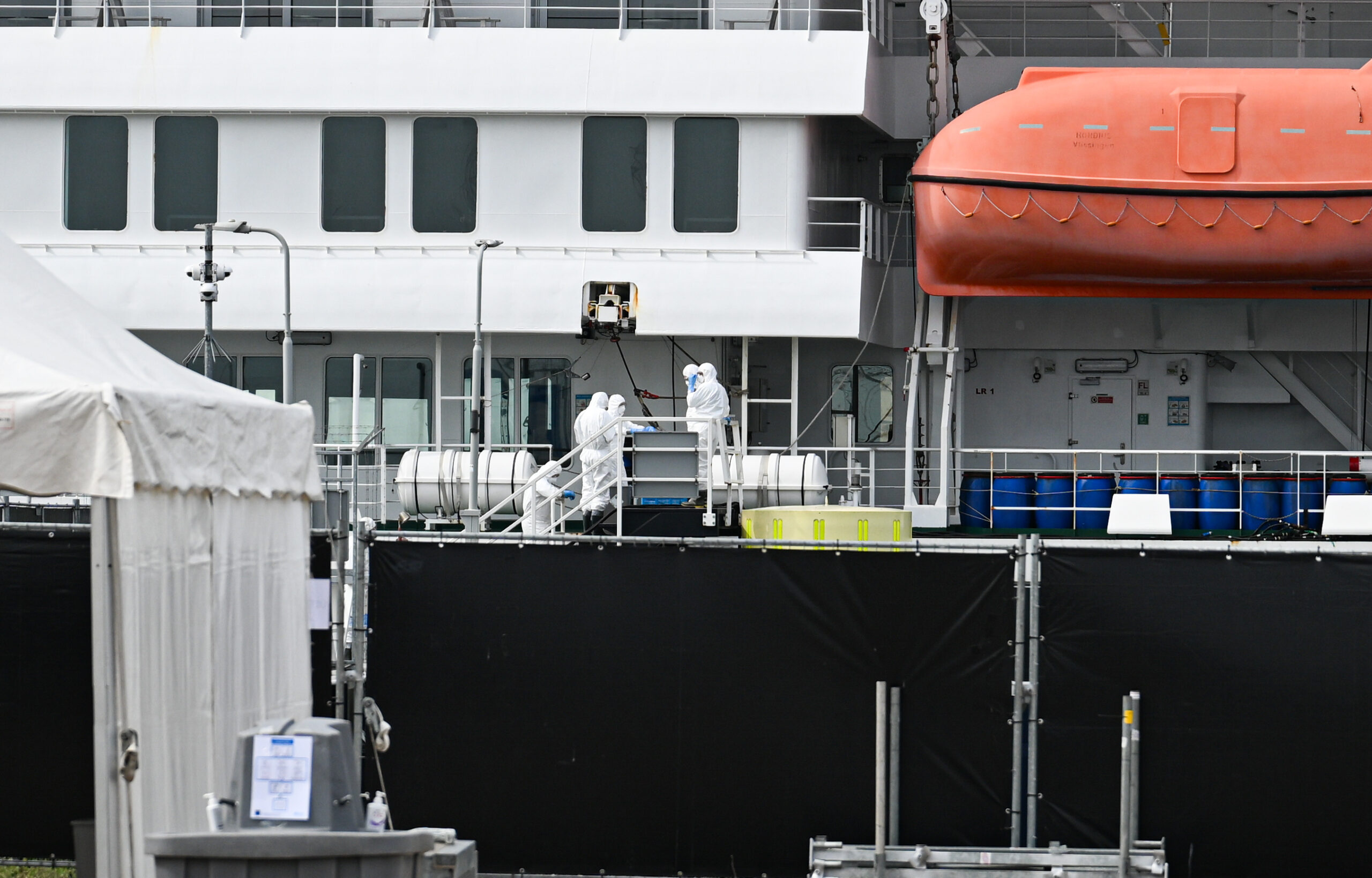
The recent reports of a cruise ship being hit by an outbreak of hantavirus are a reminder that there are still many viruses that we do not yet have vaccines or treatments for. Whilst this current outbreak is being monitored and steps are being taken to test and quarantine passengers where appropriate, many people are still probably unfamiliar with hantavirus and the risks it poses.
Hantavirus refers to a family of viruses, rather than one single virus. There are more than 20 different viral species, according to the World Health Organisation (WHO), and almost all of them are linked to infection by rodents, typically rats and mice, through dried urine and droppings.
Most strains of hantavirus infect humans when people breathe in particles from dried rodent droppings or urine, or through direct contact with rodent waste. This can happen when sweeping floors, moving boxes or cleaning up in places where rodents have been; disturbing the dried droppings creates dust containing the virus, which can then be inhaled. Working in warehouses, stables, barns, food storage areas or any building where rodents have been increases the risk of contracting the virus.
In general, the virus does not spread from person to person, but one strain, known as the Andes virus, is thought to spread through human-to-human transmission, although very rarely. This is the strain that has caused the outbreak on the cruise ship and has been confirmed in several passengers.
The Andes virus is mostly found in Argentina and Chile. In a previous outbreak in Argentina in 2018, one person with the virus who attended a party is thought to have unwittingly spread the virus to 34 others, with 11 deaths.
There are no specific treatments for hantavirus, and no proven antiviral treatment exists. The focus is on treating the patient’s symptoms, such as oxygen for breathing difficulties, blood pressure support and dialysis for kidney failure. Early hospital care is important and can help save lives.
There is no globally available vaccine. China and South Korea use vaccines for local HFRS strains, but these do not protect against the Andes virus or North American strains.
The WHO has said that the first two cases of the virus occurred in passengers on the cruise who had travelled through Argentina, Chile and Uruguay on a bird-watching trip, which included visits to sites where the species of rat known to carry the virus was present. They then boarded the cruise and became ill on board. The Andes virus is the only known strain to spread between people, but it requires prolonged close contact. Close contacts on the ship were monitored, and passengers were asked to isolate whilst on board and then tested and quarantined after leaving the ship. Monitoring is still ongoing, and epidemiologists are investigating to determine the exact exposure site and any other secondary cases that emerge. Experts say the risk of infection for the global population is very low. At present, there is no evidence of spread beyond the ship.
Yes, the UK has its own hantavirus species, which are different from the Andes strain and do not tend to cause serious illness. In the UK, we have the Seoul virus, carried by brown rats, and the Tatenale virus, carried by field voles. Only a few cases in humans have been suspected, and both viruses tend to cause mild illness.
The risks of catching hantavirus in the UK are low and mostly linked to cleaning areas with rodents’ droppings, like garden sheds, garages, barns and stables, handling pet rats, and exposure to wild rodents’ nests. The best way to protect yourself is to seek advice before cleaning areas where rodents are known to have been; advice includes ventilating the area first by opening doors and windows, avoiding creating airborne dust by sweeping and moving things around, and instead wet-cleaning rather than dry-cleaning using household disinfectant, spraying any rodent droppings first, making sure everything is wet, leaving it for a while for the disinfectant to work, and then cleaning using paper towels and disposing of all waste in a sealed bag.
Rachel Kayani, Science Tutor and Writer