Elham Asaad Buaras
A landmark parliamentary inquiry has delivered a “stark warning” to Westminster, claiming that gendered Islamophobia is reshaping everyday life in Britain and forcing many Muslim women to retreat from public spaces. The Women and Equalities Committee’s tenth report, Discrimination, harassment and abuse against Muslim women, published on January 30, describes a “corrosive” surge in hostility affecting nearly two million women and girls. The cross-party committee concluded that these women face a “triple penalty” situated at the intersection of misogyny, racism, and religious prejudice.
Sarah Owen MP, the Labour chair of the committee, stated that the evidence received was “stark and deeply moving,” painting a picture of a nation where a significant portion of its citizens no longer feel safe to participate fully in public life. She noted that this crisis involves “women being egged in a park, mothers terrified for their daughters on buses, and professionals sidelined at work,” demanding an urgent and systemic response to an impact she described as corrosive.
The inquiry underscores that there are almost four million Muslims living in the UK, making up approximately 6.5% of the population, of which 49% are women and girls. Notably, 45% of this population was aged under 25 at the time of the 2021 census, highlighting that the “corrosive” effects described by the committee are disproportionately impacting a young generation of British citizens. Around 98% of Muslims in the UK are part of ethnic minority groups, with most South Asian descent, including 1.47 million of Pakistani heritage and significant Bangladeshi and Indian communities, meaning that anti-Muslim hostility is almost inextricably linked to racial prejudice.
This inquiry was commissioned in the wake of the civil unrest and riots that followed the summer of 2024, moving beyond headline figures to document the daily realities of abuse. While police data showed a 19% increase in recorded anti-Muslim hate crimes last year, the committee warned that this represents only a fraction of the problem, with experts estimating that up to 80% of incidents go unreported due to a lack of confidence in official responses. Police recorded 4,478 hate crimes against Muslims in the year ending March 2025, accounting for 45% of all religiously aggravated crimes. Women who are “visibly Muslim”, particularly those wearing a hijab, niqab, or burka, emerged as the most frequent targets, with reported incidents explicitly referring to Islamic dress more than doubling from 506 in 2023 to 1,029 in 2024.
The report details a “continuum of abuse” ranging from hostile stares and deliberate exclusion to physical assault and the forcible removal of hijabs. This environment has created a condition of constant vigilance, leading many women to engage in “freedom-restricting harassment” by altering travel routes or modifying their dress to reduce exposure. One witness told MPs that she now pays for private travel and home security to protect her daughter, who has chosen to wear the scarf, highlighting the significant financial and emotional cost of safety.
The committee was equally scathing about the role played by social media platforms and sections of the mainstream press in sustaining a “hostile environment.” A central case study examined the aftermath of the Southport murders in July 2024, where false claims identifying the suspect as a Muslim asylum seeker generated 155 million impressions. MPs argued that platform algorithms actively boosted this misinformation, representing a fundamental failure of the Online Safety Act. Dr. Naomi Green of the Muslim Council of Britain told the inquiry that such hostility is not confined to the “dark corners of the internet” but is visible in the comments sections of mainstream news outlets. The committee further noted that persistent stereotyping of Muslim women as “oppressed” or a “symbol of extremism” has a normalizing effect that increases the risk of real-world harassment.
Institutional unreadiness further compounds the issue, with the inquiry highlighting systemic failures in policing, employment, and healthcare. Dr. Irene Zempi of Nottingham Trent University criticized police training as a “tick-box exercise” that fails to address the intersectional nature of gendered Islamophobia. In the workforce, Muslim women have a participation rate of just 37% compared to the 53.2% national average for women, often facing pressure to conform to narrow workplace norms. Furthermore, the report identified a “hierarchy in bias” in healthcare, where Muslim women from minority backgrounds experience poorer maternity outcomes and reduced access to pain relief. Schools were also identified as a flashpoint, with 10% of all reported anti-Muslim abuse occurring in educational settings.
The findings were not met with total unanimity, as Conservative MP Rebecca Paul moved a dissenting amendment that was defeated nine votes to one. She argued the inquiry focused too heavily on external prejudice while neglecting harms within some Muslim communities, such as forced marriage and coercive control. Her alternative proposals included potential bans on full-face coverings in public and headscarves for under-16s in schools, an approach the committee majority rejected on the grounds that it would further curtail women’s autonomy.
Instead, the report sets out 32 recommendations amounting to a whole-of-government response, including a new Hate Crime Action Plan and the commencement of Section 14 of the Equality Act 2010 to enable claims based on combined discrimination. Further proposals target the Online Safety Act, calling for increased transparency in the use of algorithms and tougher financial penalties for platforms. The committee also recommended mandatory name-blind recruitment to counter workplace bias and specialist training for teachers and police to help them recognize and respond to the specific nature of anti-Muslim hate. Ms. Owen concluded that the abuse faced by Muslim women is a “national crisis with ramifications for everyone,” and the government is now expected to issue a formal response by March 30.
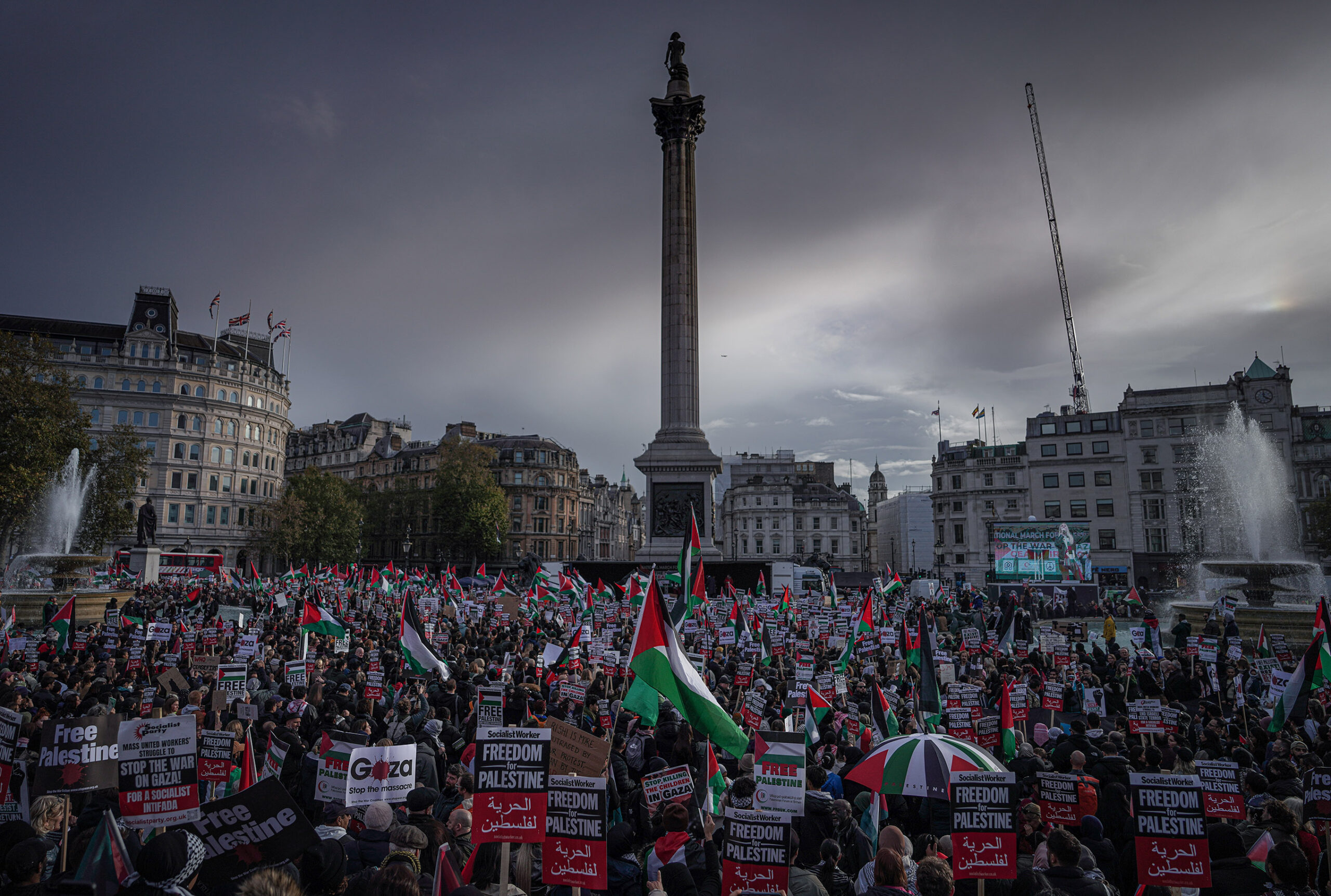
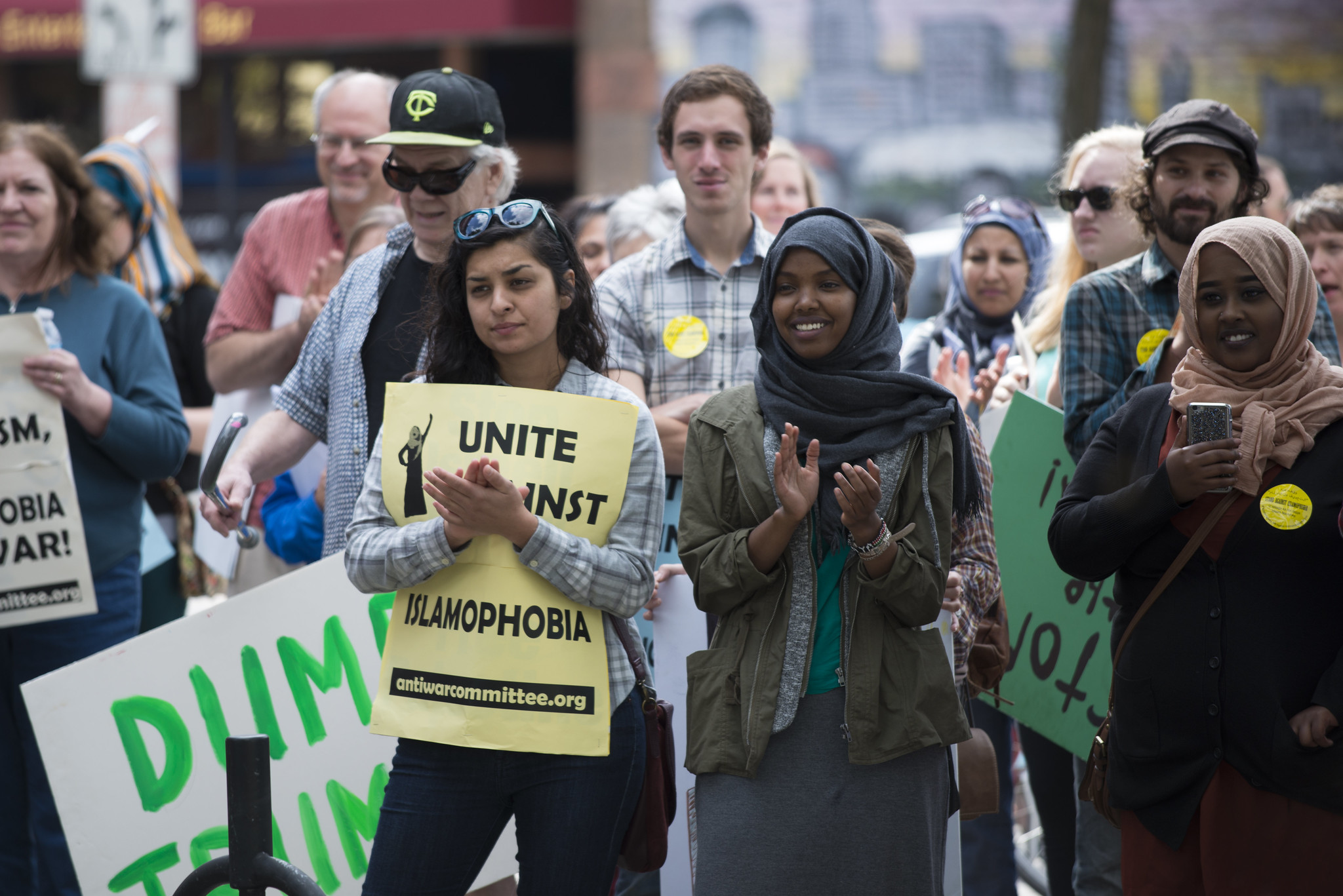
(Photo credit: Fibonacci Blue/Flickr Creative Commons)