Bombed schools. Missile strikes across the Gulf. A diplomatic settlement abandoned. Hesitant, divided allies. Rising public scepticism. Mounting economic anxieties. These are the hallmarks of a conflict that the US and Israel entered with confidence, only to find themselves increasingly mired in miscalculation.
The coordinated strikes on Iran on February 28, unauthorised by the UN Security Council and launched without a direct attack on either the US or Israel, have sparked one of the most dangerous geopolitical crises in decades, raising profound questions about legal authority, strategic coherence and democratic accountability.
Official claims insist the strikes were necessary to halt Iran’s alleged nuclear ambitions and neutralise an emerging security threat. Yet under the UN Charter, force is permitted only in self defence or with explicit Security Council approval. Neither condition was met. By the standards Western governments routinely apply to their adversaries, this operation constitutes a violation of international law.
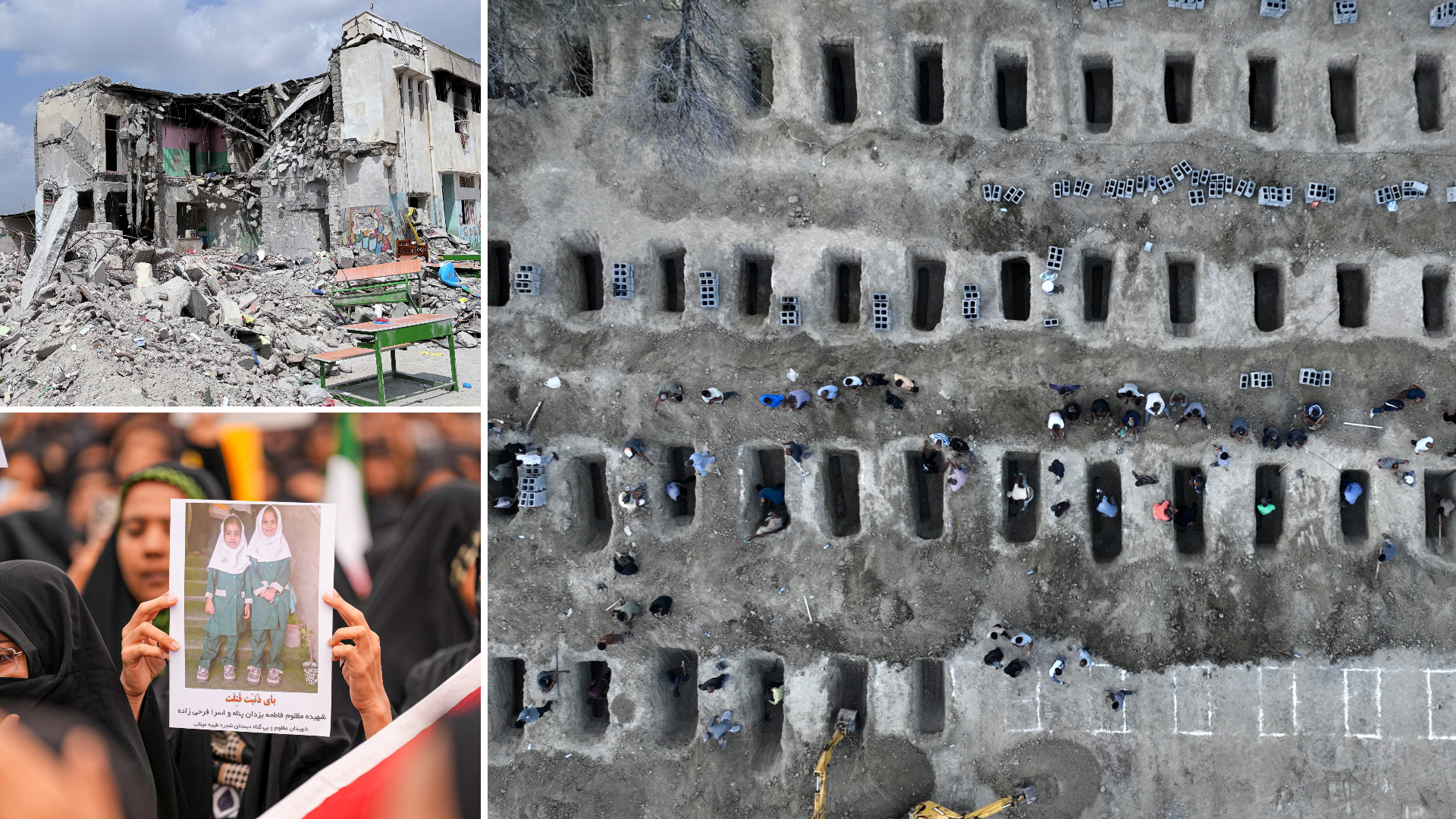
The human and infrastructural toll has been severe. Iranian hospitals, oil facilities, and water systems have been damaged or destroyed. Most shockingly, a girls’ primary school in Minab was bombed on the opening day, killing 165 children, initially blamed on Tehran before US officials admitted it was a “mistake.” For the families of the victims, bureaucratic semantics are a hollow consolation.
Iran has retaliated with missile strikes on Israeli cities and attacks on US bases across the Gulf. Far from collapsing under pressure, Tehran has demonstrated resilience and the capacity to sustain a prolonged confrontation, confounding assumptions in Washington and Jerusalem that Iranian resistance could be quickly blunted. Beyond the battlefield, the strategic miscalculations are evident. The conflict’s knock on effects on the global economy are palpable. The Strait of Hormuz, through which roughly one fifth of global oil exports transit, has become a flashpoint.
In response, President Donald Trump publicly appealed to allies to send warships to secure the waterway, reportedly “talking to seven countries” about contributing vessels. Yet partner response has been muted. Japan, constrained by its pacifist constitution, has no plans to dispatch naval escorts. Australia similarly ruled out sending ships, citing lack of assets.
European powers, including Germany, emphasise that only a political solution can resolve the crisis. NATO’s reception has been cool: Trump warned of a “very bad future” if members fail to act, but his message underscores allies’ anxiety over being drawn into a war they never supported.
British Prime Minister Keir Starmer has resisted calls to commit warships, stressing that the UK will not be dragged into a wider Middle East conflict while pressing for diplomacy to reopen Hormuz. Across Europe, leaders urge de escalation and political engagement rather than Cold War style naval missions. This international hesitation highlights the core strategic misstep of the campaign: a failure to forge a shared framework for collective security as costs rise.
Domestically in the US, the war is a growing liability. Polling shows broad scepticism over the strikes and their justification. A Reuters/Ipsos survey found only 27 % of Americans approve of the military action, while 43 % disapprove. Other polls show most Americans disapprove of Trump’s handling of the conflict, with concerns over its duration, costs, and objectives.
Public sentiment is translating into political pressure. Congressional War Powers resolutions aim to increase oversight, warning that continued unilateral action could erode trust in executive decision making and deepen partisan divisions. Even within Trump’s camp, unease has surfaced.
Vice President JD Vance, a longtime sceptic of US military entanglements, has been described as “less enthusiastic” about the Iran strikes, highlighting internal differences over strategy. Dissent over the war’s costs and direction is no longer confined to critics outside Washington. Geopolitical debate continues to swirl. Secretary of State Marco Rubio’s remarks that Israeli plans and anticipated Iranian retaliation influenced the timing of US strikes drew criticism, reinforcing perceptions that the US may have been pulled into conflict by an ally’s agenda, even as the White House sought to soften the interpretation.
Regionally, the conflict has expanded beyond expectations. Fighting in Lebanon and drone incidents across the Middle East suggest a more volatile theatre. Diplomacy that could have resolved the crisis, Oman’s foreign minister noted that a negotiated settlement was within reach, has been sidelined in favour of escalation. Strategically, the logic of confrontation remains uncertain. While the US and Israel enjoy conventional superiority, Iran’s leadership anticipated confrontation, investing in capabilities to sustain retaliation. Its missile forces and regional networks preserve the prospect of escalation rather than capitulation.
Britain’s involvement shows how quickly distant observers can become entangled. Starmer initially resisted US requests to use British bases for offensive operations, later permitting an ambiguous “defensive” use, which only Starmer understood. UK forces now intercept Iranian drones and missiles, edging the nation closer to direct involvement in a conflict with ambiguous objectives. All of this raises pressing questions about the future, and about the impact on US domestic politics if the war stretches toward the mid term elections in November.
Public wariness, economic anxieties, and disapproval of unclear objectives could make the conflict a significant electoral issue, particularly among independents and younger voters historically pivotal in mid term turnout. How does this end? Will Washington double down, treating escalation as a test of resolve? Will allied hesitation limit America’s capacity to sustain a prolonged campaign? Or will domestic pressures, amplified by a public that sees the war as neither justified nor well explained, force strategic recalibration?
Public sentiment in the US and abroad points to caution and restraint. Majorities oppose protracted engagement and question its objectives. Many Americans see the war as a threat to long term security rather than a path to safety.
Rising economic concerns only intensify political pressure. Above all, the conflict risks reinforcing a dangerous perception: international law applies unevenly. Western governments have long cited legal norms to criticise rivals, yet when allies breach the same rules, standards shift. If that belief gains traction, the consequences will extend far beyond this war, undermining the framework designed to prevent conflict and preserve global stability.
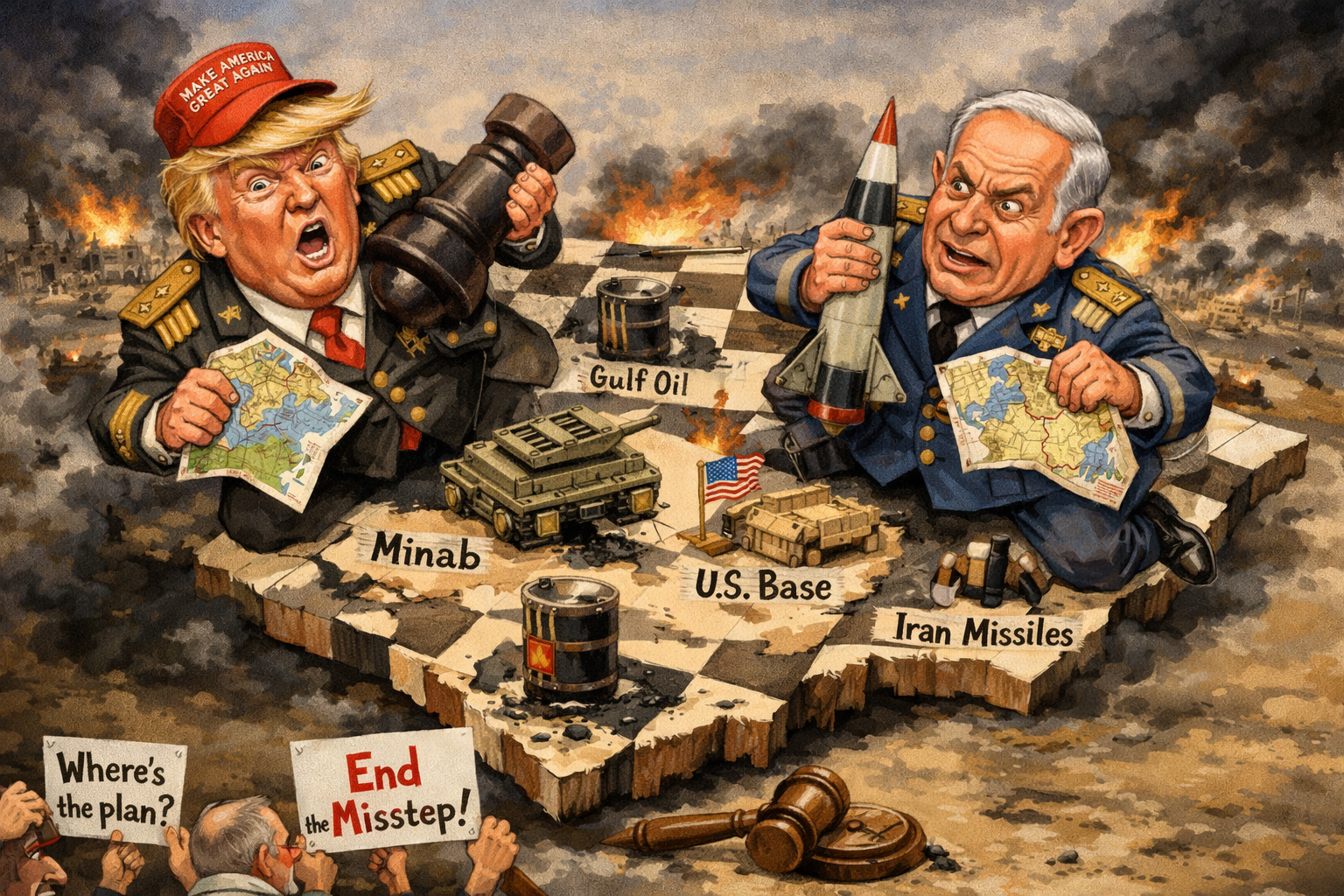
Feature image: Created using AI (ChatGPT)READ MORE – Transatlantic Backlash: Britons and Americans unite in opposition to war with Iran