Nearly a decade after the UK Government adopted the International Holocaust Remembrance Alliance (IHRA) working definition of antisemitism in 2016, ministers have unveiled a new definition aimed at addressing hostility towards Muslims.
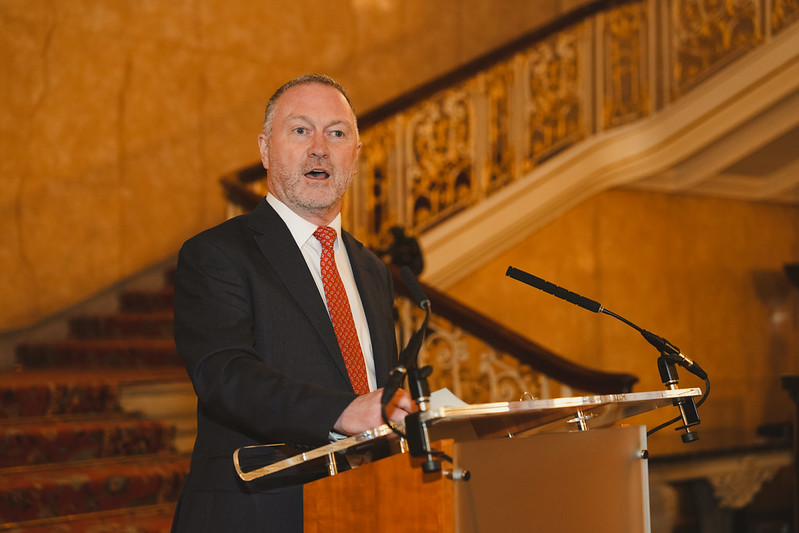
Announced by Communities Secretary Steve Reed on March 9 as part of the Government’s Social Cohesion Strategy, the proposed definition of “anti-Muslim hostility” is intended to clarify a problem ministers themselves acknowledge is serious and growing.
The Government’s logic is straightforward: if you cannot define a problem, you cannot tackle it. On paper, this seems unassailable. Clear definitions can guide institutions, shape policy, and provide a framework for addressing discrimination. But for Britain’s Muslim community, the question is not whether a definition is needed.
It is whether this particular one will genuinely address anti-Muslim racism—or merely serve as a diluted compromise, a symbolic gesture that stops short of meaningful change.
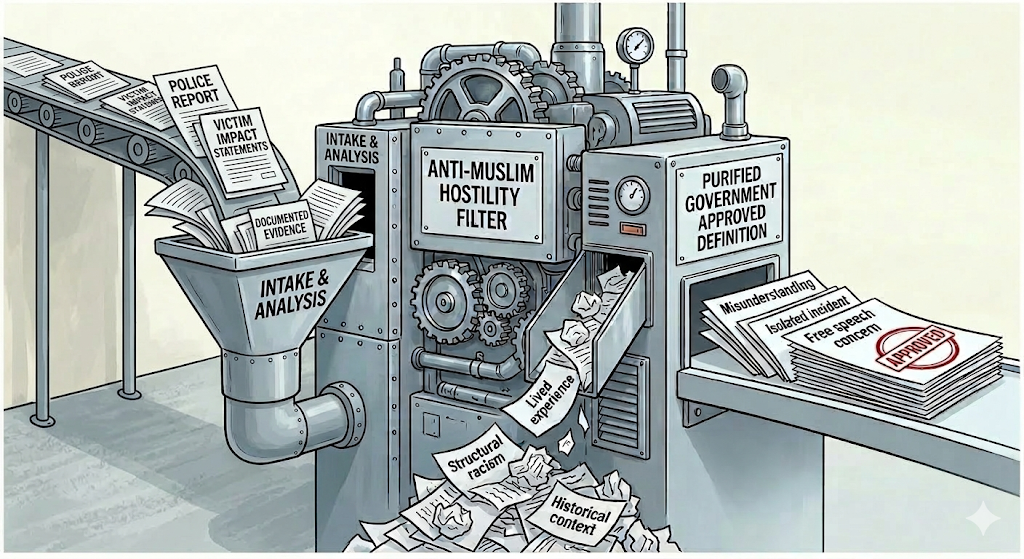
Critics point first to the process by which the definition was developed. Ministers set up an Independent Working Group, but grassroots community representation was limited, and the final outcome diverged from both community-backed proposals and the Working Group’s own recommendations.
By contrast, the IHRA definition of antisemitism was adopted largely unchanged from a process led by the Jewish community. The widely supported 2018 definition of Islamophobia developed by the All-Party
Parliamentary Group on British Muslims—endorsed by more than 850 Muslim organisations, over 100 academics, and dozens of local authorities—was abandoned. A government-led definition was produced instead and revised before publication, leaving many Muslim organisations feeling that the voices of those most affected had not been heard. Perhaps the most contentious choice is the abandonment of the word “Islamophobia.”
For decades, the term has been used internationally to describe anti-Muslim prejudice, appearing in United Nations reports, European institutions, and government policies around the world. Yet ministers have opted for “anti-Muslim hostility.”
The decision raises a simple question: if antisemitism was retained in the IHRA definition, why change the term widely recognised by Muslim communities? The government did not change the phrase antisemitism to “anti Jewish hostility”. Why do it for the Muslim community? Language matters in public policy. Words carry history, research, advocacy, and lived experience. Removing “Islamophobia” risks erasing that history rather than building upon it.
The new definition also places repeated emphasis on intent. Anti-Muslim hostility, under the Government’s wording, involves actions carried out with the intention of encouraging hatred against Muslims. But prejudice does not always require conscious intent. Racism can be unconscious, structural, or embedded in institutions; discrimination can arise from stereotypes or assumptions without deliberate malice.
By focusing on intent, critics argue, the definition sets a threshold so high that many real-world instances of discrimination could fall outside it. This debate touches on a deeper conceptual question: what exactly is Islamophobia? Scholars and community organisations argue it functions as a form of racism because Muslims are often treated as a homogenous group, defined by perceived cultural or ethnic traits.
Mosques, Islamic dress, Muslim names, and other identity markers become targets in ways historically similar to racial discrimination. Earlier proposals sought to capture this through concepts like racialisation, explaining how Muslims are collectively “othered” regardless of individual belief. The final government definition removes much of that framework, leaving critics concerned that it fails to reflect the systemic nature of anti-Muslim discrimination.Supporters argue the definition is at least a first step.
Labour MP Afzal Khan welcomed it as a signal of commitment to tackling anti-Muslim hatred after years of inaction. But scepticism is widespread. Many fear it may be symbolic rather than transformative, especially given the absence of clear examples in the explanatory notes and the emphasis on protecting free speech rather than defining harmful conduct. The timing—ahead of local elections in May—has led some to wonder if it is more about political signalling than addressing the deeper concerns of Muslim communities.
Definitions alone do not end discrimination. They provide a foundation for action, not a solution in themselves. If the Government genuinely wishes to combat anti-Muslim racism, any definition must reflect the lived realities of those experiencing it.
That requires listening to grassroots organisations, legal experts, and community leaders, and revisiting policies that fail to inspire trust. Ministers are correct: without a clear definition, it is difficult to tackle a problem. But a definition lacking credibility or community confidence risks being just as ineffective. For Britain’s Muslim communities, the issue is not simply what the Government calls the problem; it is whether the policies that follow will finally confront it.
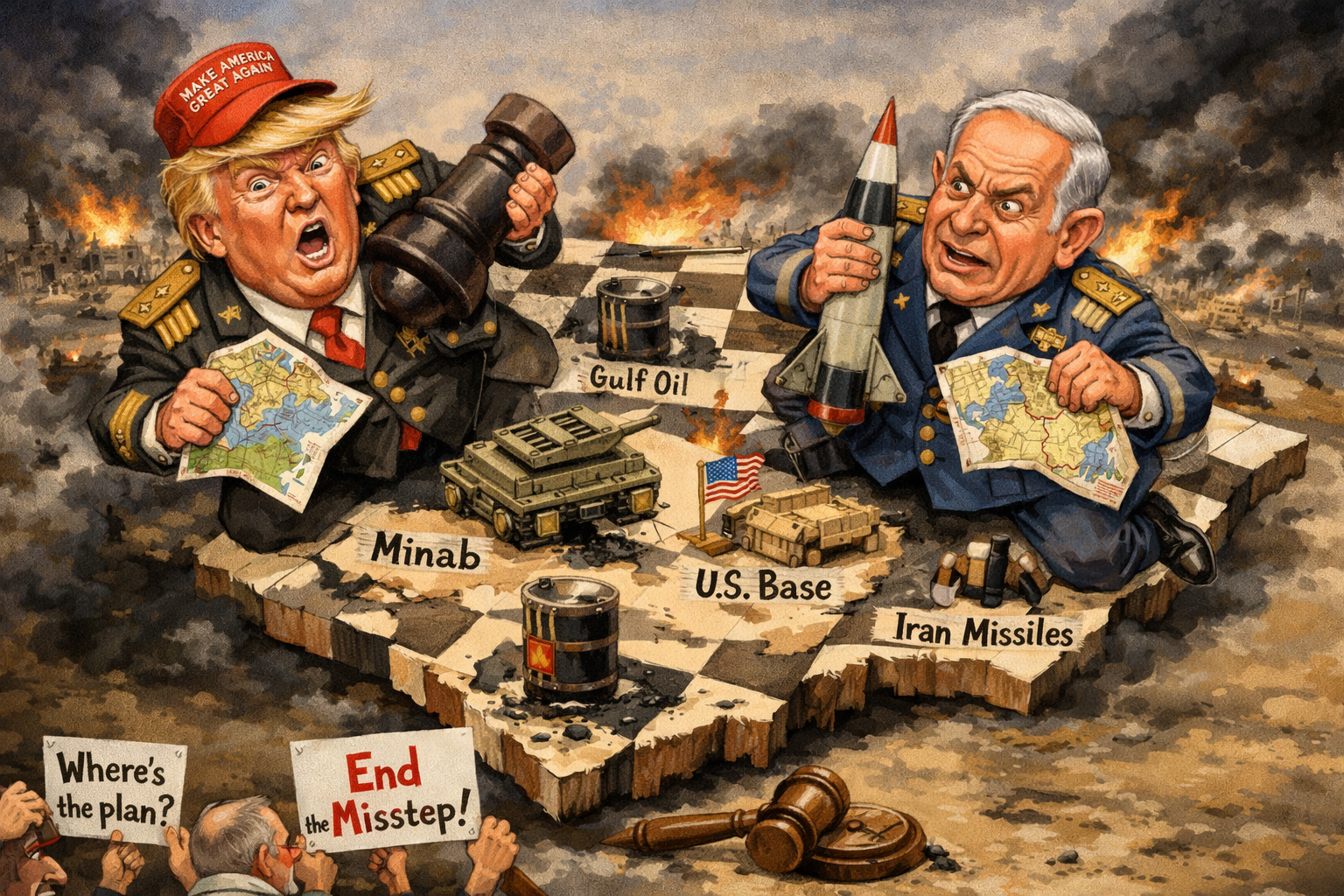
Editorial image: Created using AI (Gemini).