Mohammed Al Jabri, Sana’a, Yemen
In the opening days of January 2026, Yemen underwent a seismic historical shift that radically reshaped its political and military landscape, placing the fragile question of Yemeni Unity at the centre of a geopolitical firestorm.
In a matter of weeks, the narrative swung violently from the imminent declaration of a breakaway southern state controlling key territories to the total collapse of that project. The dissolution of the Southern Transitional Council (STC) following a decisive regional intervention has echoed the memories of the 1994 civil war, albeit with entirely new geopolitical contours.
From partition to the first fracture
The unification of Yemen on May 22, 1990, was not merely a fleeting diplomatic moment, but the culmination of decades of tension between the North (Yemen Arab Republic) and the South (People’s Democratic Republic of Yemen). Despite early optimism, the unity quickly frayed overpower-sharing disputes and military integration, leading the South’s Vice President, Ali Salim Al Beidh, to retreat to Aden in 1993.
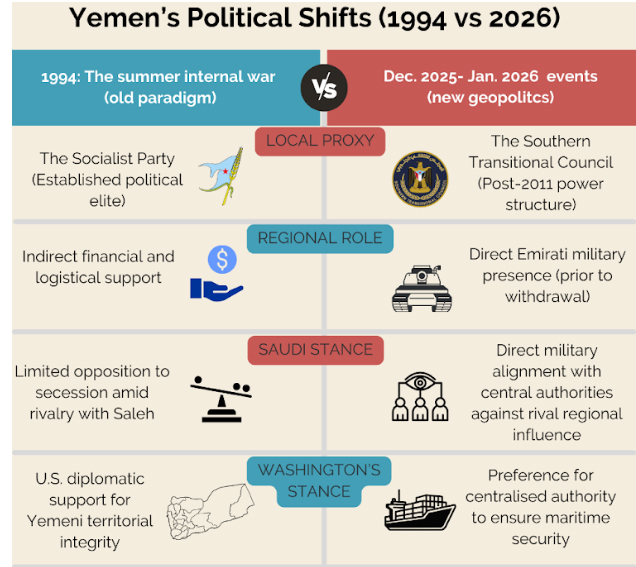
The 1994 civil war remains the seminal event that established the narrative of southern grievance. Skirmishes in April and May of that year escalated into full-scale war following Al Beidh’s declaration of secession. The conflict ended on July 7,1994, with northern forces entering Aden. The victory resulted in widespread infrastructure destruction and a deep political rift caused by the exclusionary policies that followed.
Crucially, in 1994, Gulf support for secession was limited to financial and logistical aid, insufficient to alter the military equation on the ground.
Rise and fall of the second secession
Dynamics shifted dramatically following the Arab Spring of 2011 and the Ansar Allah [Houthi] takeover of Sana’a in 2014, leading to the formation of the STC in 2017 with direct backing from the United Arab Emirates.
On December 2, 2025, the STC launched “Operation Promising Future,” seizing control of the strategic Wadi Hadhramaut, Al Mahra, and Shabwa governorates. This culminated in a “Constitutional Declaration” for a State of the South on January 2.
However, this expansion crossed the “red lines” of Saudi Arabia and Oman, both of whom viewed an unchecked separatist entity on their borders as a strategic threat. The response was swift and decisive. On 30 December 2025, Saudi airstrikes targeted the port of Mukalla, destroying Emirati arms shipments. This escalation forced a total withdrawal of UAE forces.
By January 7, the Saudi-backed Nation Shield forces had regained control of Aden, Hadhramaut, and Al Mahra. STC President Aidarus Al Zoubaidi fled the country, and the Council was officially dissolved on January 9.
Houthis, economy, and US policy
The tectonic shifts of January cannot be understood in isolation; they were defined by three pivotal, interlocking dimensions that operated beneath the surface of the conflict.
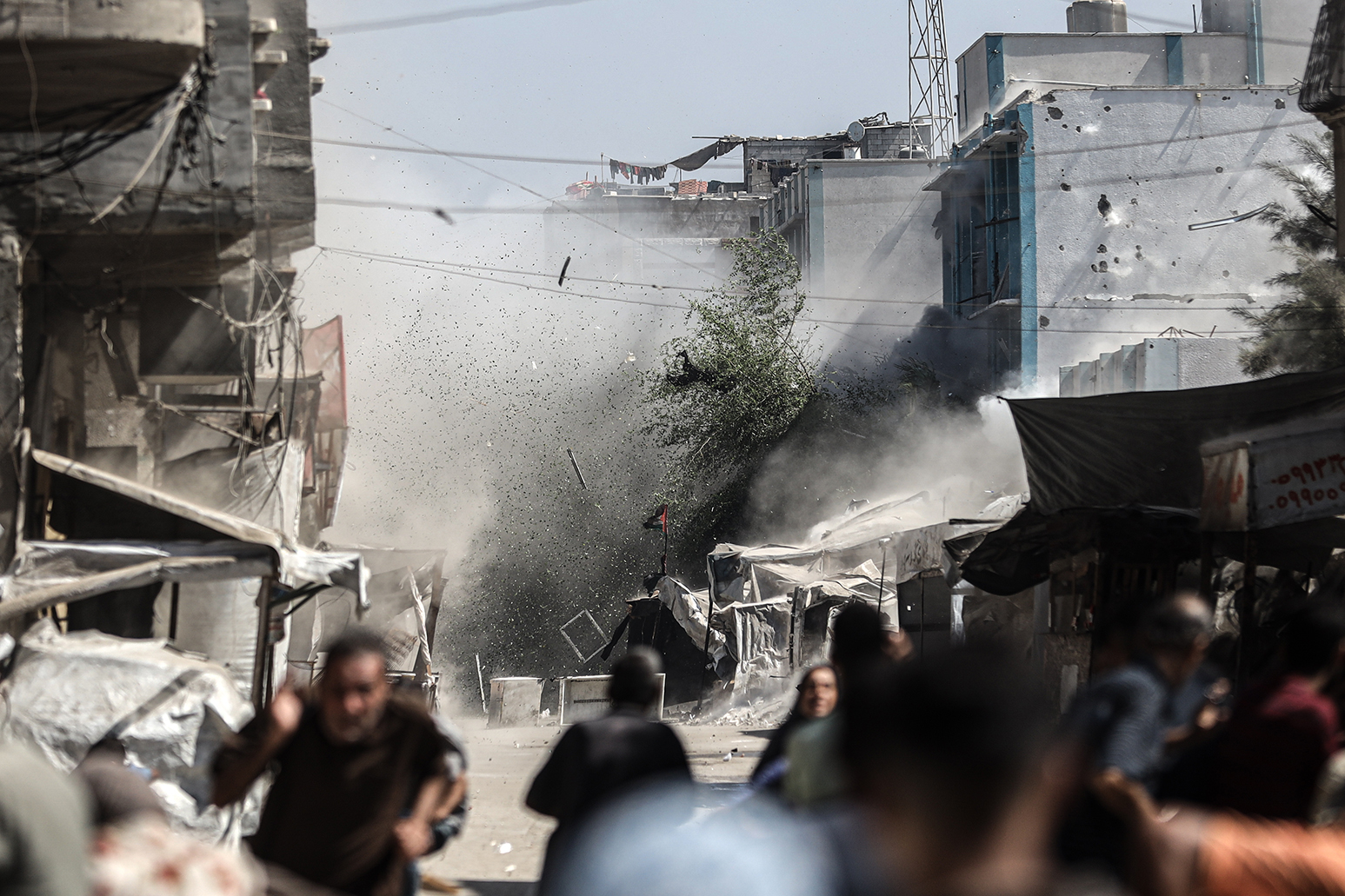
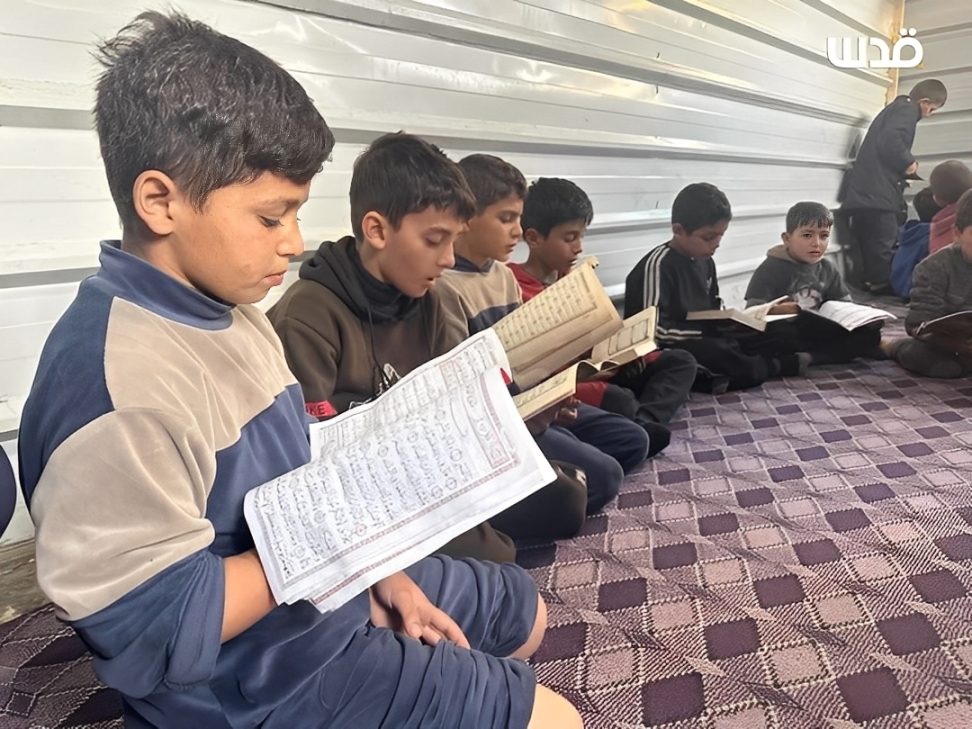
Militarily, the Houthi group adopted a posture of “strategic neutrality,” maintaining a fragile ceasefire while content to watch their southern adversaries consume one another — a tactical pause they utilised to quietly fortify their own defences in Marib and Hodeidah. This manoeuvring unfolded amid deepening humanitarian devastation. Oil exports came to a complete halt, widening Yemen’s funding gap. The United Nations has warned that, by 2026, an estimated 21 million people will require humanitarian assistance.
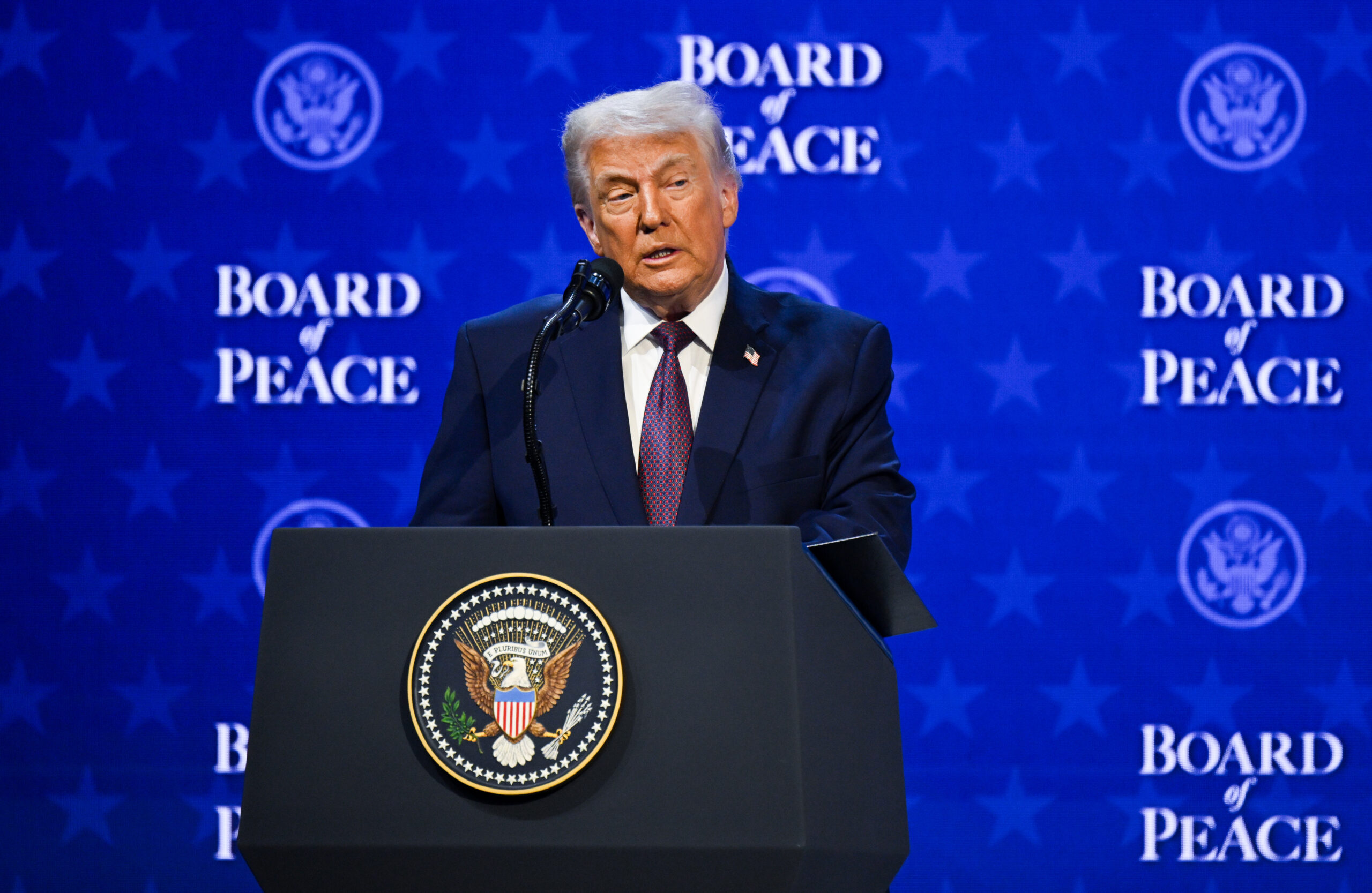
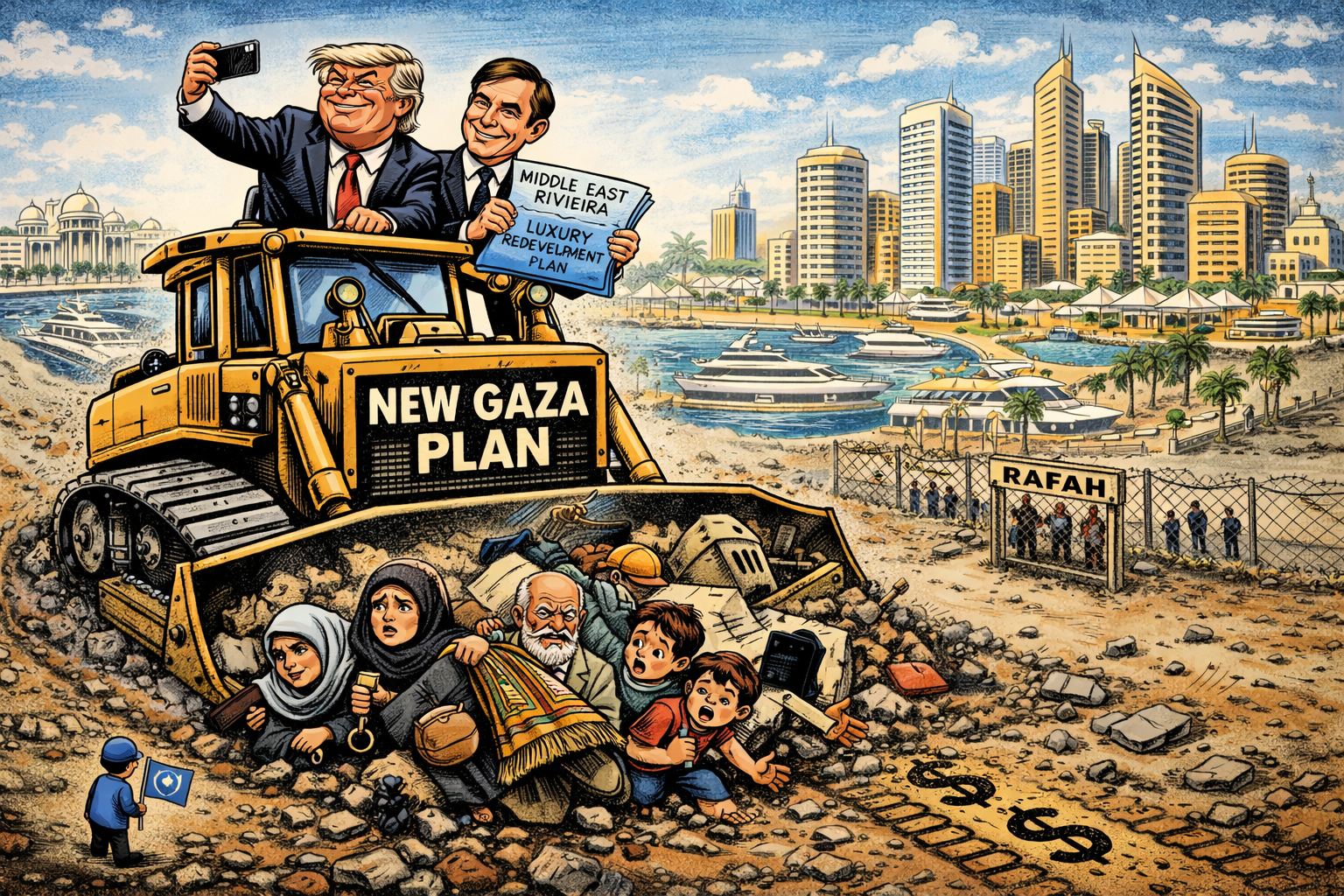
Externally, the geopolitical calculus was dictated by a resurgent Washington. Under President Donald Trump, the United States gave its tacit blessing to Saudi efforts to consolidate the anti-Houthi front. Viewed through the lens of a “maximum pressure” campaign against Iranian allies, the administration concluded that a strong central state, rather than the unpredictability of militia rule, offered the only viable guarantee for securing vital international waterways.
Unity under regional scrutiny
While Yemeni Unity has technically survived the partition attempt of 2026, its preservation was the result of a regional decree rather than internal cohesion, secured with international blessing.
Riyadh is now moving to fill the political vacuum through the Southern Dialogue Conference, attempting to contain Southern demands within the framework of a single state. The future of Yemen now hinges on the drafting of a new social contract that guarantees equitable partnership—moving beyond the binary of “victor and vanquished” that has haunted the nation from 1994 to 2026.
(Image credit: Mohammed Al Jabri)