Dawood Ashaari
Campaigners have sounded the alarm for British civil liberties yet again, as the Independent Review of Public Order and Hate Crime Legislation, led by former Director of Public Prosecutions, Lord Ken Macdonald KC, approaches its conclusion.
Commissioned by Home Secretary Shabana Mahmood, late last year, following the killing of two British Jews in the Heaton Park Synagogue attack on Yom Kippur, the review aims to determine whether current laws are “fit for purpose and consistently applied.” The Muslim News understands that the “cumulative impact” of national protests in support of Palestinian rights is a key area of focus for the review.
Phil Rosenberg, President of the Board of Deputies of British Jews, said in a statement that “The Government’s decision to move ahead on giving police new powers around ‘cumulative impact’ in response to the deeply irresponsible and offensive protests we have seen in recent days following the terrorist attack at Heaton Park Hebrew Congregation is a necessary start. We have been calling for this for many months, and it was one of our key demands.”
However, for many in the British Muslim community and Palestine/Israel movement, the review is being watched with a mixture of caution and scepticism.
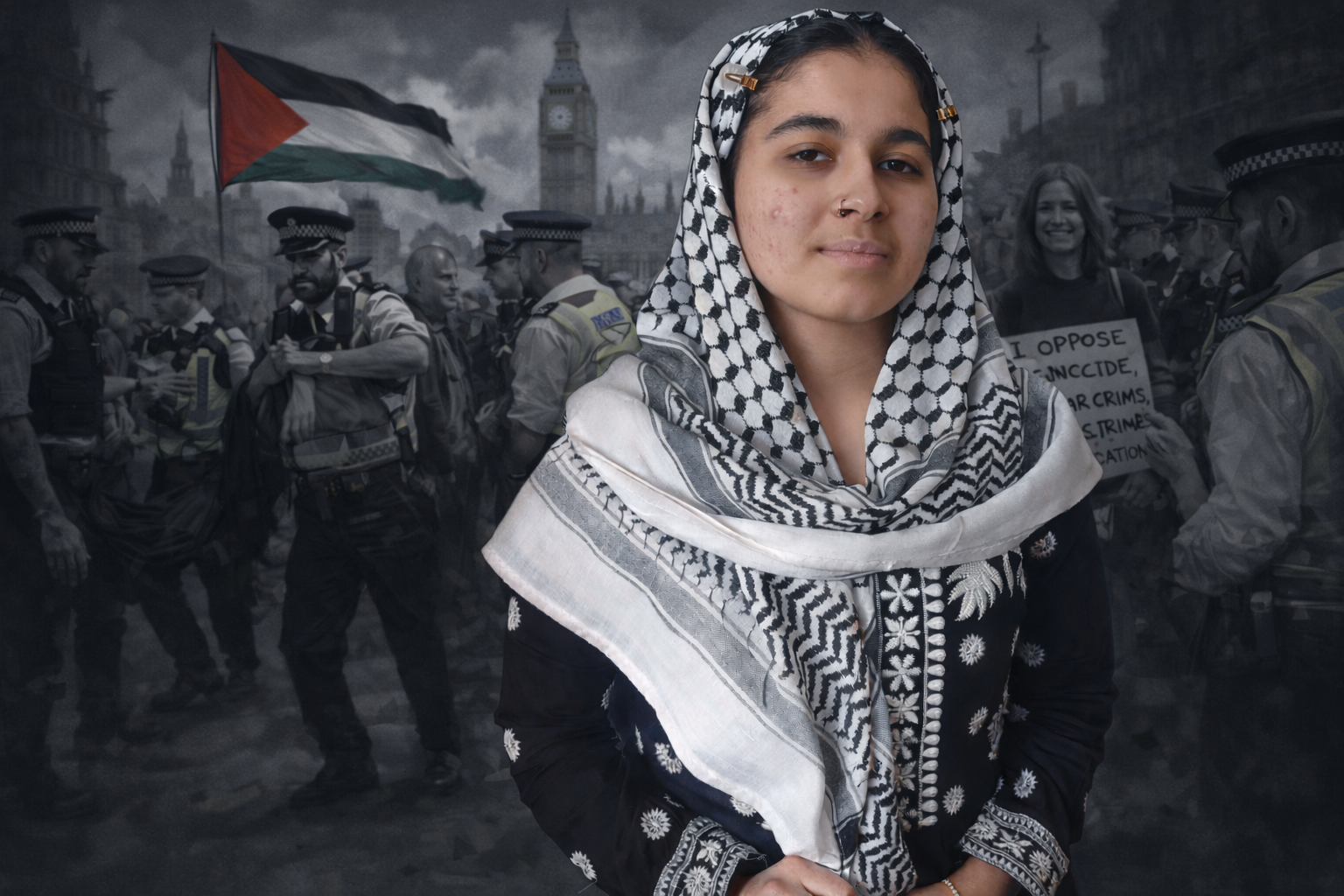
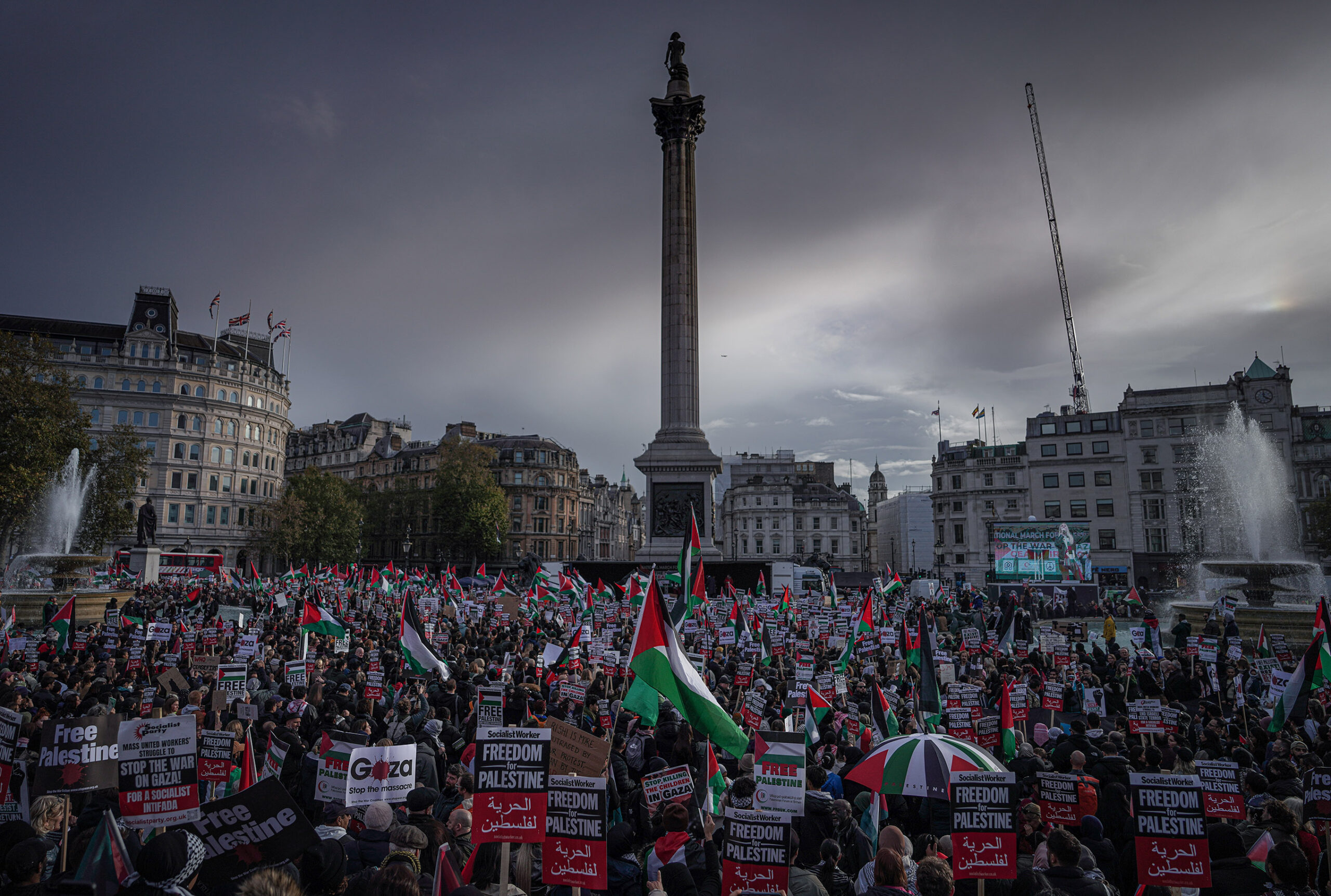
The Palestine Solidarity Campaign (PSC) was initially not invited by the review team to give evidence and had to approach the review team themselves.The PSC written submission seen by The Muslim News highlighted that “demonstrations are necessary as a way to show support for the Palestinian people, whose rights and very survival are under existential threat; and to register mass opposition to the ongoing political, diplomatic and military support given by the British government to Israel.”
The PSC submission added that, “As acknowledged publicly by the police, the overwhelming character of the national marches organised by the Palestine Coalition has been peaceful and well-disciplined – reflecting a broad cross-section of society and accompanied by a lower arrest rate than is typical at other large events such as football games and music festivals.”
Concerns about transparency have also been raised by the Muslim Council of Britain (MCB), as the review is not an open call for evidence but rather a targeted call for evidence to selected consultees only. In its written submission, the MCB said there are already “significant restrictions embedded within the current public order framework, as well as the vast additional powers already afforded to the police in recent years, including but not limited to the Police, Crime, Sentencing and Courts Act 2022, Public Order Act 2023, Crime and Policing Bill.”
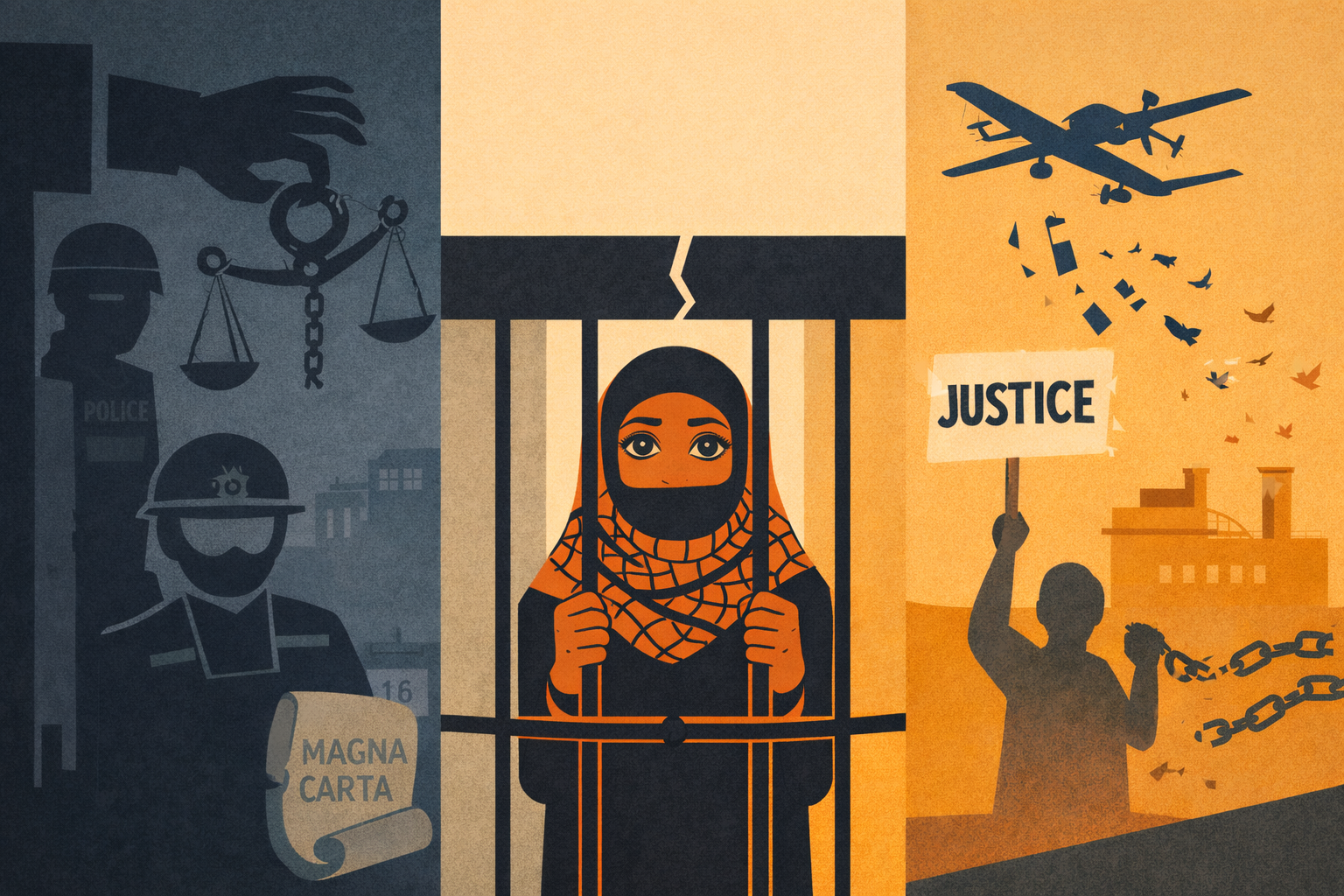
Alice Hardy and Shirin Marker from specialist law firm Bindmans LLP, who supported the MCB’s written submission with expert legal analysis, said, “Over recent years, successive governments have introduced a raft of anti-protest laws that have resulted in the increased criminalisation of protest and the suppression of free speech.”
They added that “the current legal framework relating to public order offences and hate crimes – and its application by the authorities – has led to what the Law Commission has described as a ‘hierarchy of hatred’, which places legal protections for the Muslim community below that of other religious groups.”
Writing in The Guardian, Imran Khan KC, who represented the family of Stephen Lawrence following his murder by David Norris in 1993, said, “there is much to be concerned about from a review that threatens to entrench already evident inequalities and to restrict the rights of some to preserve the comfort of others.”
Khan continued, “Think of our history. The suffragettes did not secure the vote for women through a single demonstration or a moment of polite persuasion. Their campaigns were persistent, disruptive and widely condemned at the time, yet are now recognised as having been integral to securing change. The same is true of movements for racial justice. Civil rights campaigns reshaped law and public life through sustained protest over time, in the face of significant inconvenience to those in power. Had those protests been curtailed on the basis of cumulative disruption alone, much of that progress would never have been achieved.”
Quakers in Britain also submitted written evidence to the Lord Ken Macdonald review, stating that “recent developments such as expanded protest powers, vague legal thresholds, and the proscription of Palestine Action have created a climate of fear and uncertainty for our members.”
In one testimony referencing the police raid on Westminster Quaker Meeting House in March 2025, one Quaker activist said she was “struck by the contrast between the complete disregard shown for Westminster Friends Meeting House as a place of worship … as compared to the idea that protests should be rerouted to avoid passing outside places of worship.”
Whilst the review is described as independent, questions have been raised by apparent political pressure and assumptions, with Prime Minister Keir Starmer saying in Parliament in December that “I’ve ordered a review of protest and hate crime laws, to stop protests breeding hatred.”
The review was expected to be completed by the end of February 2026. However, a recent statement by Policing Minister Sarah Jones suggested there are delays, saying “the review is due to submit its report to the Home Secretary in spring 2026.”
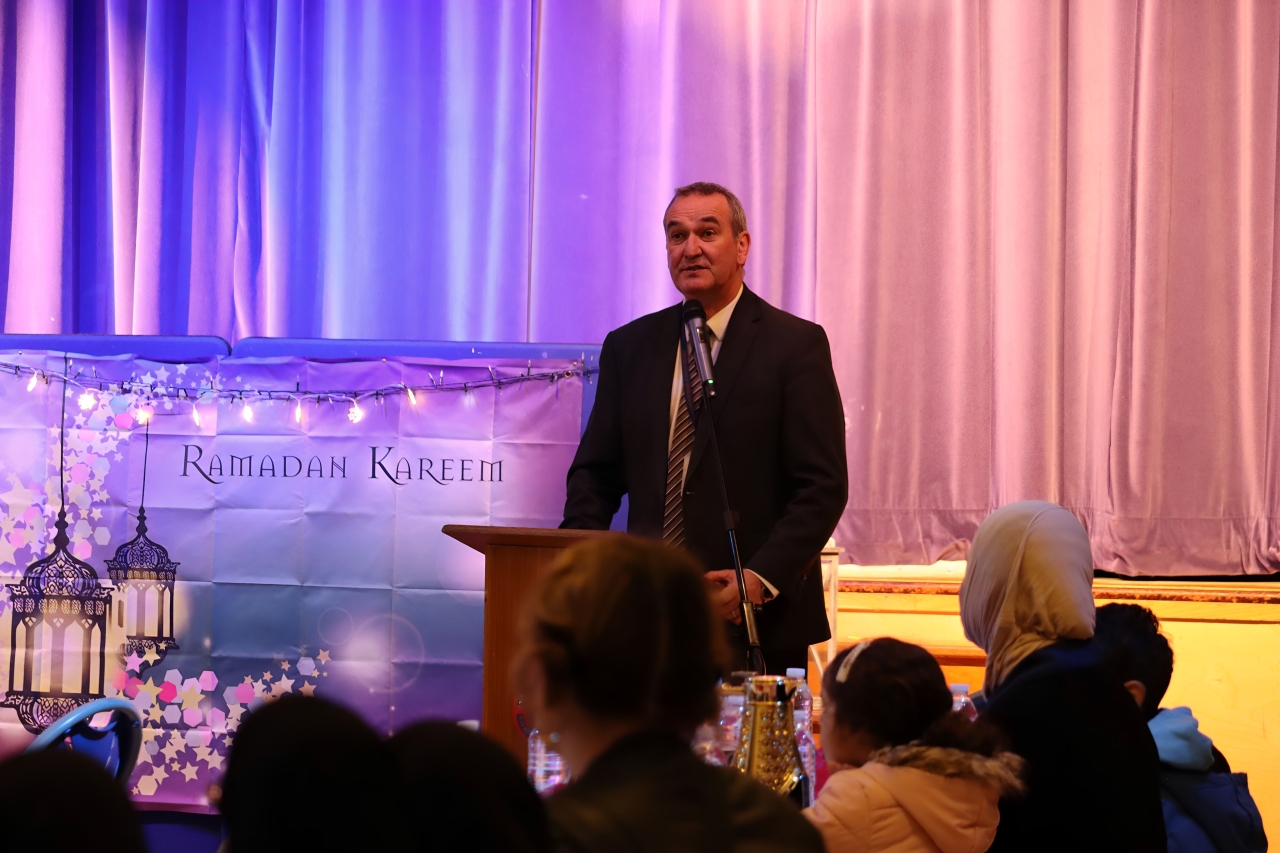
(Photo credit: Alisdare Hickson/Flickr CC)