The census is a snapshot of the make-up of British society taken every ten years. It collects data on every household in the country, and since 2001 it has included a voluntary question on religion in England, Wales and Scotland, an addition for which the Muslim Council of Britain (MCB) played a central role through interfaith lobbying in the late 1990s. The response rate to that voluntary question has consistently been around 94%. Northern Ireland has long included a religion question of its own. For the first time, we now have three waves of religion data, in 2001, 2011 and 2021, which allow us to trace the trajectory of the Muslim community over two decades. The MCB’s Research and Documentation Committee has drawn this material together into a statistical portrait of British Muslims, and the picture is one of demographic momentum running alongside persistent structural disadvantage.
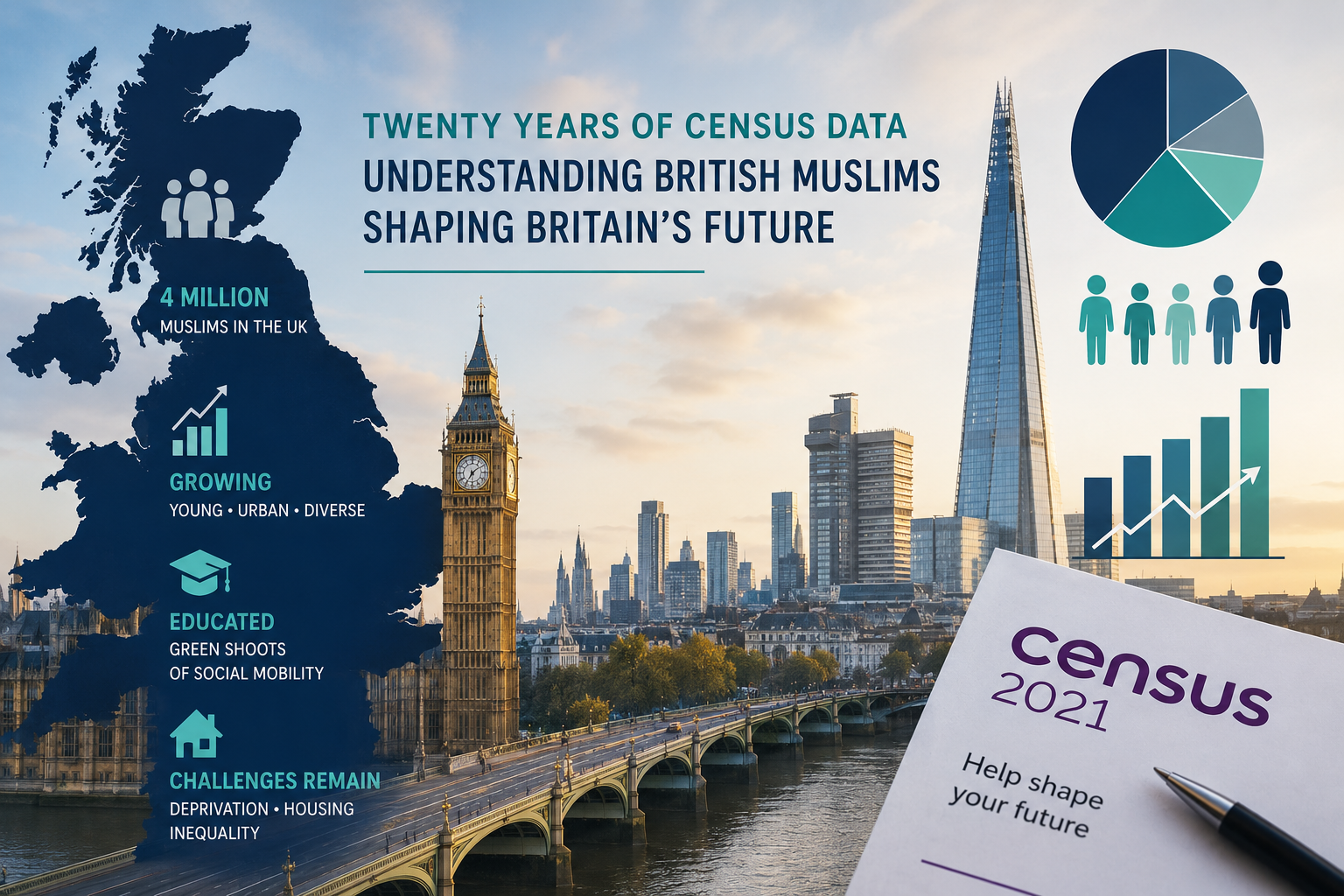
The Muslim population of the UK has grown from 1.6 million in 2001 to 2.8 million in 2011 and just under 4 million in 2021, around 6% of the total population of 67 million. The community is unevenly distributed across the four nations. Of those 4 million, around 3.8 million live in England, where Muslims make up 6.7% of the population. Scotland is home to around 120,000 Muslims (2.2%), Wales to around 67,000 (2.2%), and Northern Ireland to around 11,000 (0.6%).
This is an overwhelmingly urban community. 99% of British Muslims live in urban areas, compared to 82% of the population overall, and they are concentrated in the big cities. London is home to around 1.3 million Muslims, roughly a third of the UK total. Birmingham has 342,000 Muslims (30% of the city’s population), Bradford 169,000 (31%), Manchester 123,000 (22%), Glasgow 49,000 (8%), Cardiff 34,000 (9%), and Belfast around 5,000 (2%).
The community is young. The median age of a Muslim in the UK is 29, against 44 for the population as a whole. School-age children make up 22% of the Muslim population compared to 13% overall, and only 5% are aged 65 or older, compared to 19% overall. It is also ethnically plural, including around 2.6 million Asian, 429,000 Black, 297,000 Arab and 234,000 White Muslims, with significant Mixed and Other ethnic group populations. Just over half are now UK-born, the first time this has been the case since the religion question was introduced. 94% of British-born Muslims in England and Wales identify their national identity as British, and 99% have English as their main language or speak it well or very well.
Alongside this, the data records what the MCB calls “green shoots of social mobility.” Degree-level attainment among 16 to 24 year old Muslims has nearly doubled, from 11.3% in 2001 to 20.8% in 2021, narrowly overtaking the population average. The proportion of Muslims in higher professional occupations has risen modestly, and the proportion of Muslim women in employment has climbed from 20.4% in 2001 to 30.5% in 2021.
But the picture of persistent inequality is stark. 40% of Muslims in England live in the most deprived 20% of local authorities, and only 6% live in the least deprived 20%. That distribution has been essentially unchanged across all three censuses. Muslims are over-represented in poor housing, with 27% of Muslim households deprived in the housing dimension and high rates of overcrowding. They are underrepresented in better managerial and professional jobs, and report poorer health than the population overall.
This combination of a young, well-educated, English-speaking population locked into deprived neighbourhoods produces what demographers would recognise as a potential demographic dividend. In an ageing society, such a population is in principle an economic asset. But cashing in that dividend is not guaranteed. The talent exists, but the structural barriers, in housing, in labour-market discrimination, in geographically concentrated disadvantage, are precisely the kind that public policy has so far failed to dislodge.
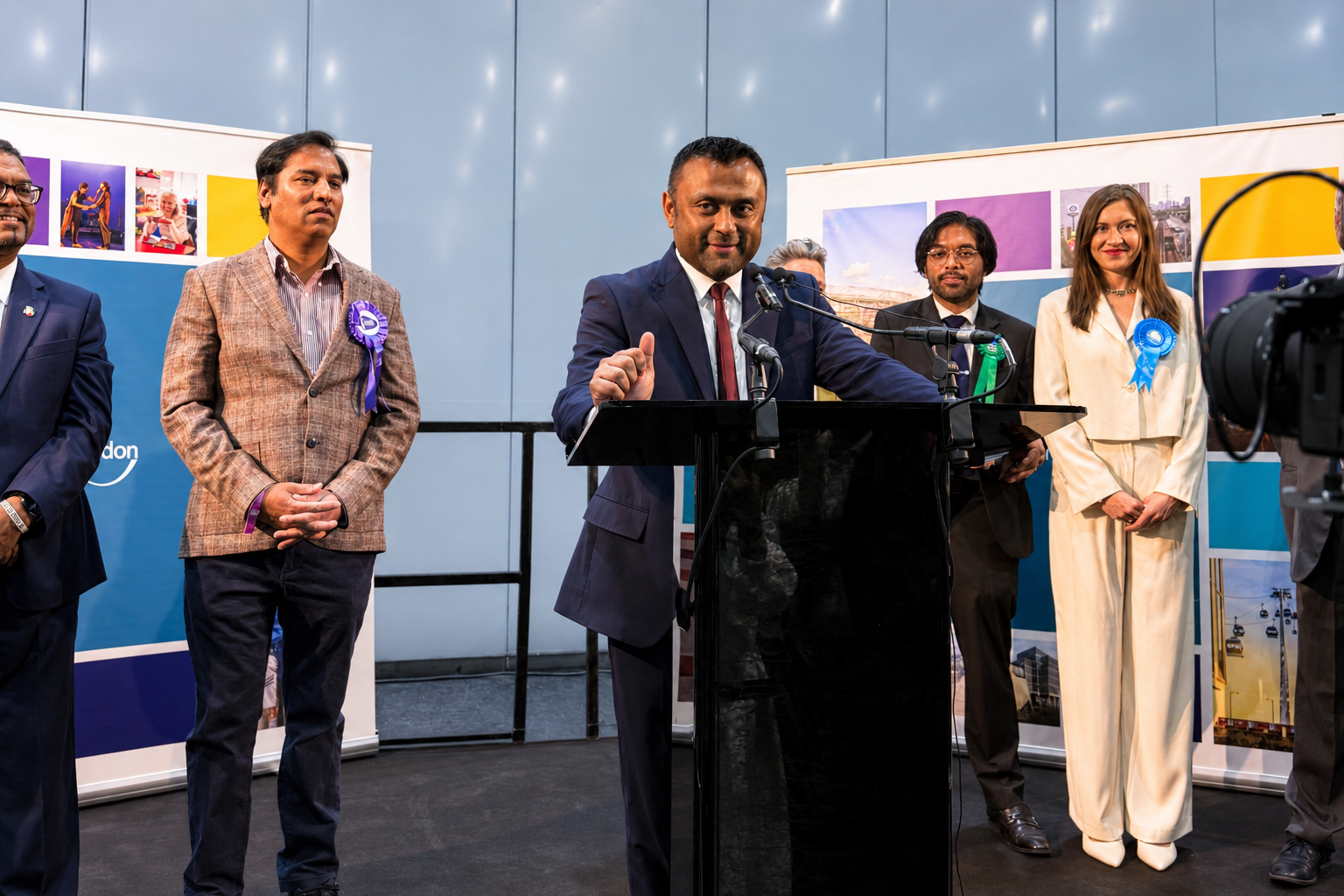
Politically, the arithmetic is shifting. The MCB estimates that by 2029 there will be around 49 parliamentary constituencies in which the Muslim voting-age population exceeds the 2024 winning margin by more than 10,000 votes. If the voting age is lowered from 18 to 16 across England, Wales and Scotland, the potential electorate would expand by 1.6 million overall, with around 162,000 of those new first-time voters being Muslim. The 2024 general election already saw four independent MPs returned from constituencies with large Muslim populations. British Muslims are not, the report is careful to stress, a homogeneous voting bloc. But the political weight of the community is no longer marginal.
Two longer-horizon challenges deserve serious attention. The first is climate change. A community concentrated in older, denser, often poorly insulated inner-city housing is acutely exposed to urban heat, flooding and fuel poverty. Climate policy and housing policy are, for this community, the same conversation. The second is technological displacement. Muslim men are over-represented in self-employment, particularly as taxi and private-hire drivers, delivery workers and in routine occupations. These are precisely the jobs most exposed to autonomous vehicles, AI-driven logistics and the automation of call-centre work. A community that built economic resilience in the gig economy of the 2010s will need to rebuild it for the post-gig economy of the 2030s, through apprenticeships, professional pathways and small-business capitalisation.
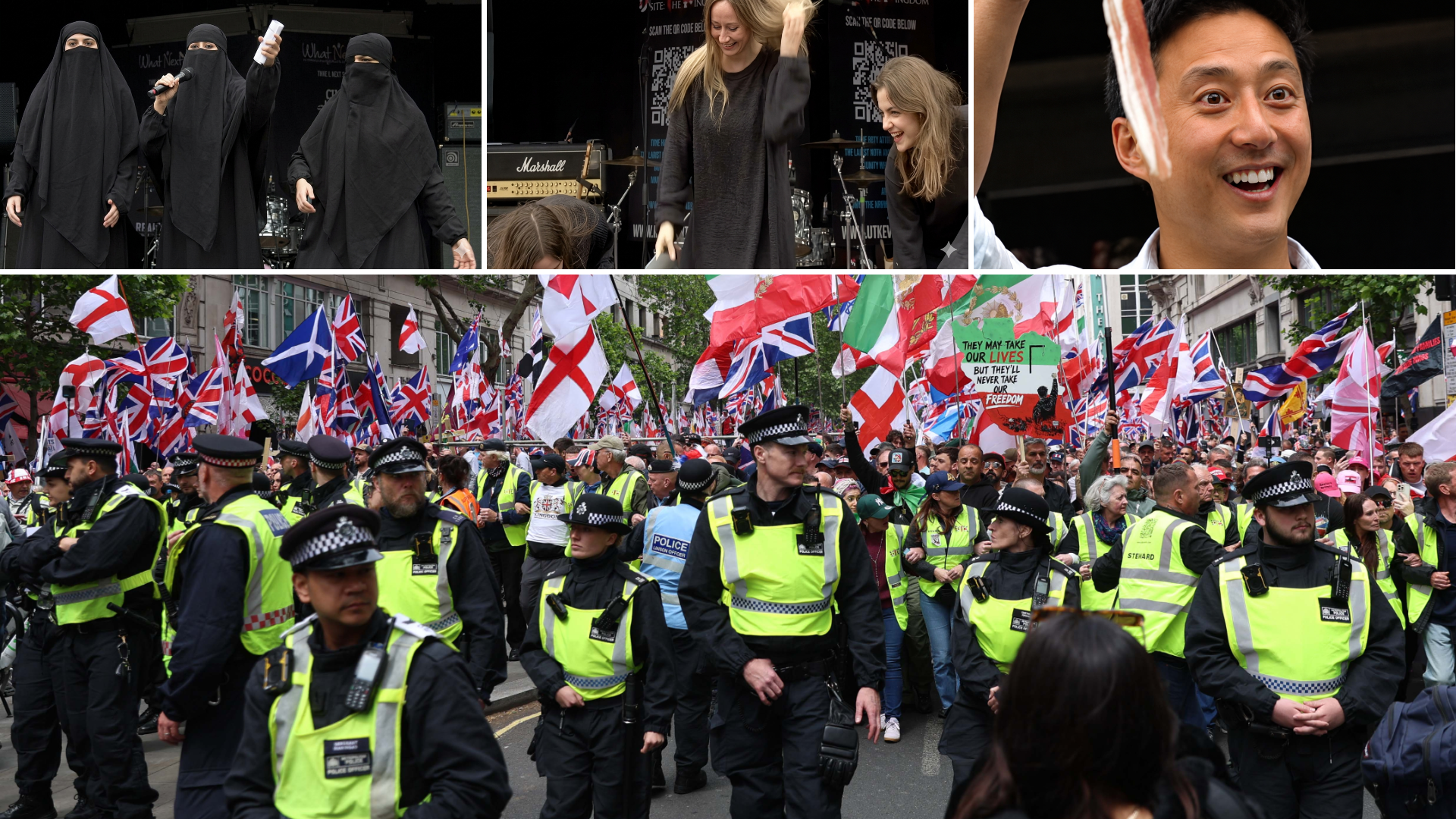
Finally, the findings must be read against a hardening political climate in which Muslim minorities across Europe are increasingly targeted by populist movements. A visible, growing, urban, ethnically diverse community is a convenient figure for those who trade in grievance. The community’s most effective response is, paradoxically, the data itself: its Britishness, its rootedness, its civic participation, its economic contribution.
Twenty years of census data describe a community that has arrived, that is young, that is increasingly educated, and that remains, in important respects, structurally locked out. The next decade will test whether Britain can convert that potential into shared prosperity, or whether the 2031 census records the same deprivation figures for a fourth time.
Full MCB analysis: https://mcb.org.uk/censusreport/
Dr Miqdad Asaria, London School of Economics and Political Science