Elham Asaad Buaras
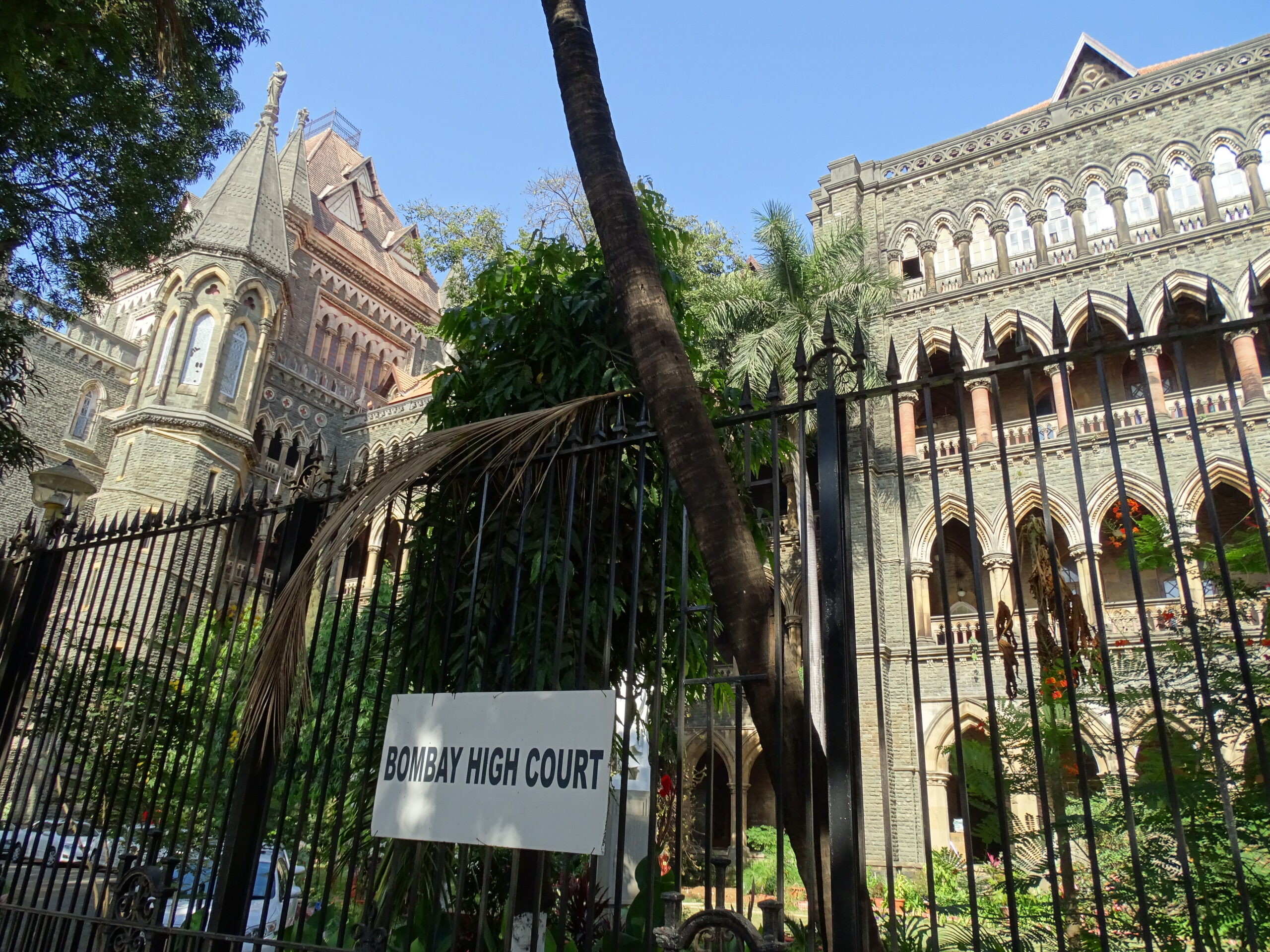
A controversial decision by the government of Maharashtra, one of India’s largest and most influential states, to formally revoke a 5% reservation quota for certain Muslim communities in education and public sector jobs is now being contested in the Bombay High Court.
The legal challenge centres on a state government order issued on February 17, which revoked all remaining administrative measures tied to an affirmative action policy first introduced more than a decade ago. Affirmative action in India, known locally as “reservations,” is a constitutionally permitted system designed to improve access to education and government employment for groups considered historically disadvantaged.
The quota in question was originally established on July 7, 2014, when the then state government, led by the Indian National Congress and the Nationalist Congress Party, issued an emergency ordinance creating a 5% reservation for Muslims in public education and government jobs. The same measure also introduced a separate 16% quota for the Maratha community, a politically influential group in the state.
Importantly, the 2014 Muslim quota did not apply to the entire Muslim population of Maharashtra, which numbers in the millions. Instead, it specifically targeted approximately 50 sub-communities officially classified as “socially and educationally backward.” Many of these groups have traditional ties to specific occupations or artisanal crafts, such as weaving, tailoring, or metalwork. Under the policy, eligible individuals were required to obtain official certificates verifying their membership in these designated backward classes.
The ordinance faced immediate legal opposition. By November 14, 2014, the Bombay High Court had issued an interim order blocking the quota’s implementation for government jobs, while temporarily allowing the education reservation to continue.
Under India’s legal framework, an ordinance issued by a state government is a temporary measure that must be approved by the state legislature within a specified period to become permanent law. The 2014 ordinance was never passed by the legislature. It automatically lapsed on December 23, 2014—just weeks after a new government led by the Bharatiya Janata Party (BJP) had taken office in the state. Although the ordinance itself expired, some related administrative procedures continued informally for years, allowing some individuals to seek benefits under the defunct category.
On February 17, the Maharashtra government, currently led by a different political coalition—issued a formal resolution revoking all government orders and administrative processes still linked to the 2014 framework. This action effectively eliminated any remaining basis for members of the identified Muslim sub-communities to claim benefits under that reservation category.
The petition now before the Bombay High Court argues that the decision was “deliberate, arbitrary and discriminatory” against a religious minority. The challenge contends that cancelling the quota violates constitutional guarantees of equality and protections for minority groups enshrined in India’s constitution.
The petitioner has asked the court to temporarily suspend the resolution and to compel the government to produce statistical data justifying the cancellation. The plea also notes that no formal complaints had been filed with the State Backward Class Commission regarding the Muslim quota, and that no other community had been adversely affected by the policy’s continued existence.
In a separate line of argument, the petition addresses a common counterpoint in India’s affirmative action debates. The petitioner contends that while the state allocates significant public funding to Islamic religious schools, known as madrasas, this does not constitute an equivalent alternative to access to mainstream, modern education. Ending the reservation, the plea argues, further restricts educational and economic opportunities for disadvantaged members of the Muslim community.
Feature photo: Feature photo: Bombay High Court in Mumbai, Maharashtra, India, where the court is set to examine the state government’s decision to revoke the 5% reservation quota for certain Muslim communities. (Credit: Adam Jones/Wikicommons)