Nadine Osman
Almost half of 16 to 24-year-old British Muslims polled in a newly released survey have experienced Islamophobia at work, in shops, or in restaurants.
The survey featured 2,073 so-called “Generation Z” respondents, including 1,002 Muslims. 49 per cent of Muslims polled reported encountering Islamophobia at school, university, or other educational settings. Another 47 per cent reported encountering Islamophobia in a social setting, while 44 per cent did so at work.
Females were more likely to report experiencing Islamophobia in a social setting (53 per cent) than males (41 per cent), while in educational settings, 53 per cent of females reported experiencing it compared to 45 per cent of males.
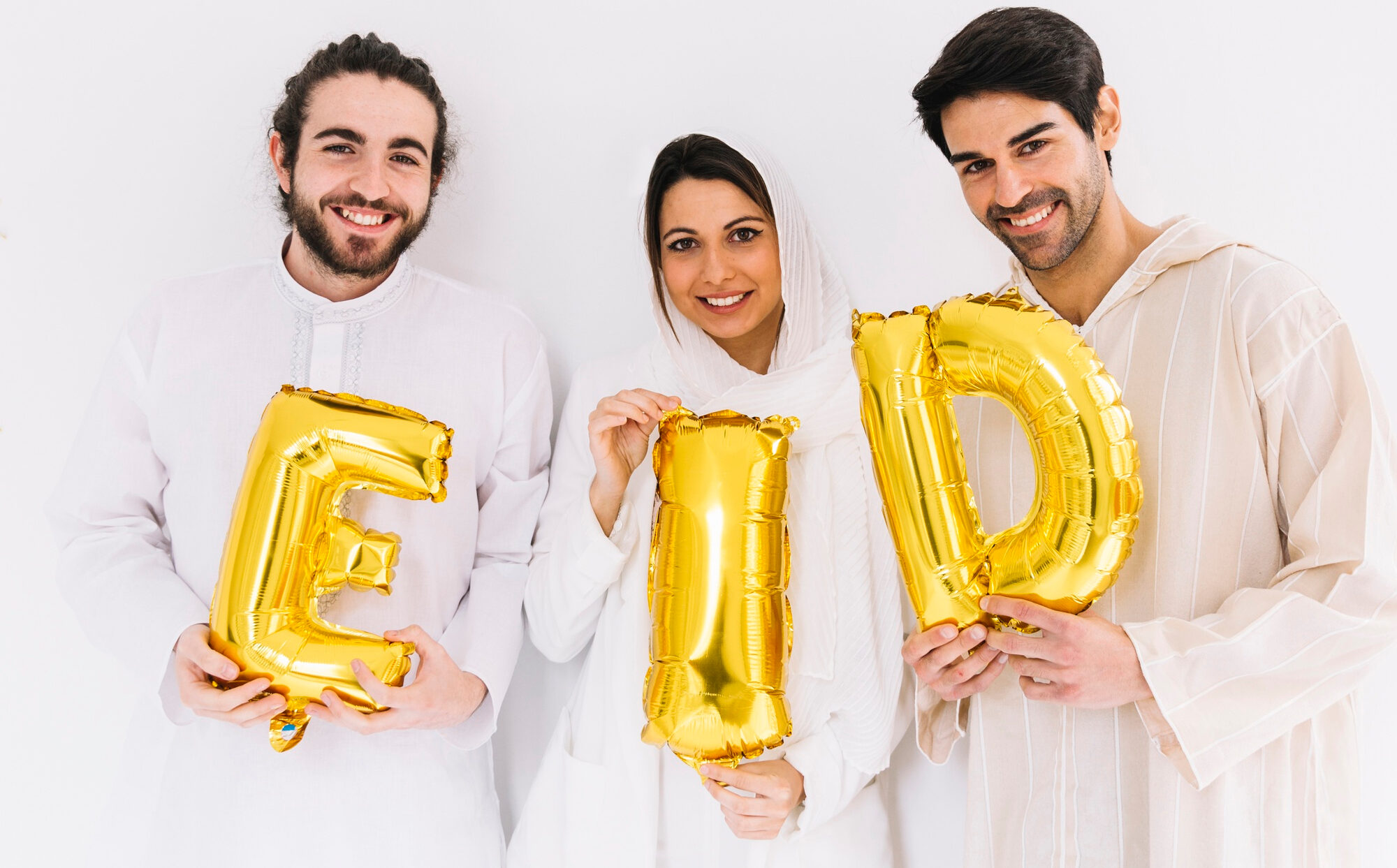
The polling carried out in February also saw almost two-thirds of the non-Muslims surveyed say employers should have to offer Muslim employees additional time off work to observe Eid, a celebration marking the holy month of fasting (Ramadan).
While 87 per cent of Muslims said they felt they should get time off to celebrate the religious event, only 62 per cent of non-Muslims took this stance.
Burhan Wazir, the editor of the newly launched online Muslim news and lifestyle publication Hyphen, which commissioned the survey, called on employers and educators to do more to combat Islamophobia in public life.
Wazir said, “The incidents of Islamophobia experienced by Muslim Gen Zs are extremely concerning. With around half of Gen Z Muslims saying they have experienced Islamophobia in an educational, social, or workplace setting, much more needs to be done by employers and educators on tackling Islamophobia in public life.”
“Millions of people will celebrate it like others celebrate Christmas,” Wazir said.
He said: “Eid is an important day of celebration for 3.6 million Muslims in this country; like Christmas or Diwali, it’s an important time for families and friends to get together and celebrate.” While we would expect Muslims to want this time off from employers, it’s great to see nearly two-thirds of young non-Muslims support this too.
“Our poll figures overwhelmingly speak to the fact that Muslim and non-Muslim Gen Zs, perhaps more than preceding generations, share very similar life experiences and worldviews, and are very cognizant of each other’s needs.”
(Photo credit: Chris Beckett/Flickr Commons)