As we head into the end of January, many people may already be giving up on their New Year’s resolutions. Exercising more, losing weight, and eating more healthily are common goals we set ourselves, but it can take real commitment to stick to major changes in our diets and routines – and our resolve can wear off. Instead of trying to make too many drastic changes, focusing on smaller adjustments and adding healthier items to our diet can be more successful in gradually changing eating habits, leading to long-term improvements in diet and health.
Simple swaps or additions to our diet can feel less like ‘dieting’ and denying ourselves food. For example, swapping white bread and pasta for wholemeal options, replacing sugary breakfast cereals with porridge or muesli, and reducing sugary drinks in favour of water or teas. You could also swap one red meat meal a week for fish.
Focusing on adding to our diet can also help change what we eat – by including more portions of vegetables in our meals, eating more fruit as a snack, or dried fruit/nuts instead of a biscuit, adding fruit to our breakfast cereal/porridge – all of which can help to ensure we meet our ‘5 a day’. You can start with making a few swaps/additions a week and build up from there. Plus, eating a wider variety of foods, especially fruit and veg, will help provide all the nutrition the body needs to stay healthy. In addition, drinking more water helps maintain proper hydration.
One area we can all focus on is increasing the amount of fibre that we eat. Studies consistently show that in the UK, most adults are not eating enough fibre. The National Diet and Nutrition Survey (2019–2023) reported that only 4% of UK adults meet the recommended 30g a day. Even though we cannot digest it, fibre (which is made by plants) is an essential part of the diet.
Firstly, it adds bulk, which helps the digestive tract move contents along the intestines and bowels, preventing constipation. Fibre reduces the risk of major diseases such as cardiovascular disease and stroke, as it helps lower cholesterol, promoting heart health. It helps with appetite control and maintaining blood glucose levels, as fibre-rich foods are more filling and fibre slows down the absorption of carbohydrates, which helps with weight control and reduces the risk of developing type 2 diabetes. Fibre is also an important prebiotic, which is food that is beneficial for our gut bacteria and helps support a healthy gut microbiome, linked to better digestion, immune function, reduced inflammation, and mood regulation. Fibre also helps to reduce the risk of developing colorectal cancer.
Given that fibre is such an important part of our diet, why are most of us not eating enough? The main reason is that our modern diets now include a lot of refined grains, sugars, and processed starches – for example, white flour is made from wheat that has had the hard outer layer (the bran and the germ) removed – which is where most of the fibre is found. This is then used in bread, pasta, pastries, biscuits, ultra-processed snacks, and cakes. Fruit juices may contain some vitamins but will contain little of the fibre that was in the original fruit.
In addition, our diets have changed away from traditional high-fibre staples such as beans, wholegrains, and vegetables, and the rise of convenience and ready-made meals has only compounded the issue. Also, recently there has been more focus on eating protein and lowering carbohydrates for muscle building and fitness, but animal-based protein sources such as eggs, meat, and fish do not contain fibre. Only plant-based foods provide fibre; options such as beans, lentils, chickpeas, peas, and nuts contain both protein and fibre.
If you are planning to improve your health and diet this year, consider increasing your consumption of wholegrain foods (wholemeal bread and pasta) and adding more fruit, vegetables, pulses, and lentils. Not only will this boost your vitamin and mineral intake, but it will also increase your fibre intake, helping control appetite and improve overall long-term health. If you currently do not eat much fibre, it is advisable to increase the amount you eat slowly to avoid digestive issues and to ensure you drink enough fluids to aid digestion.
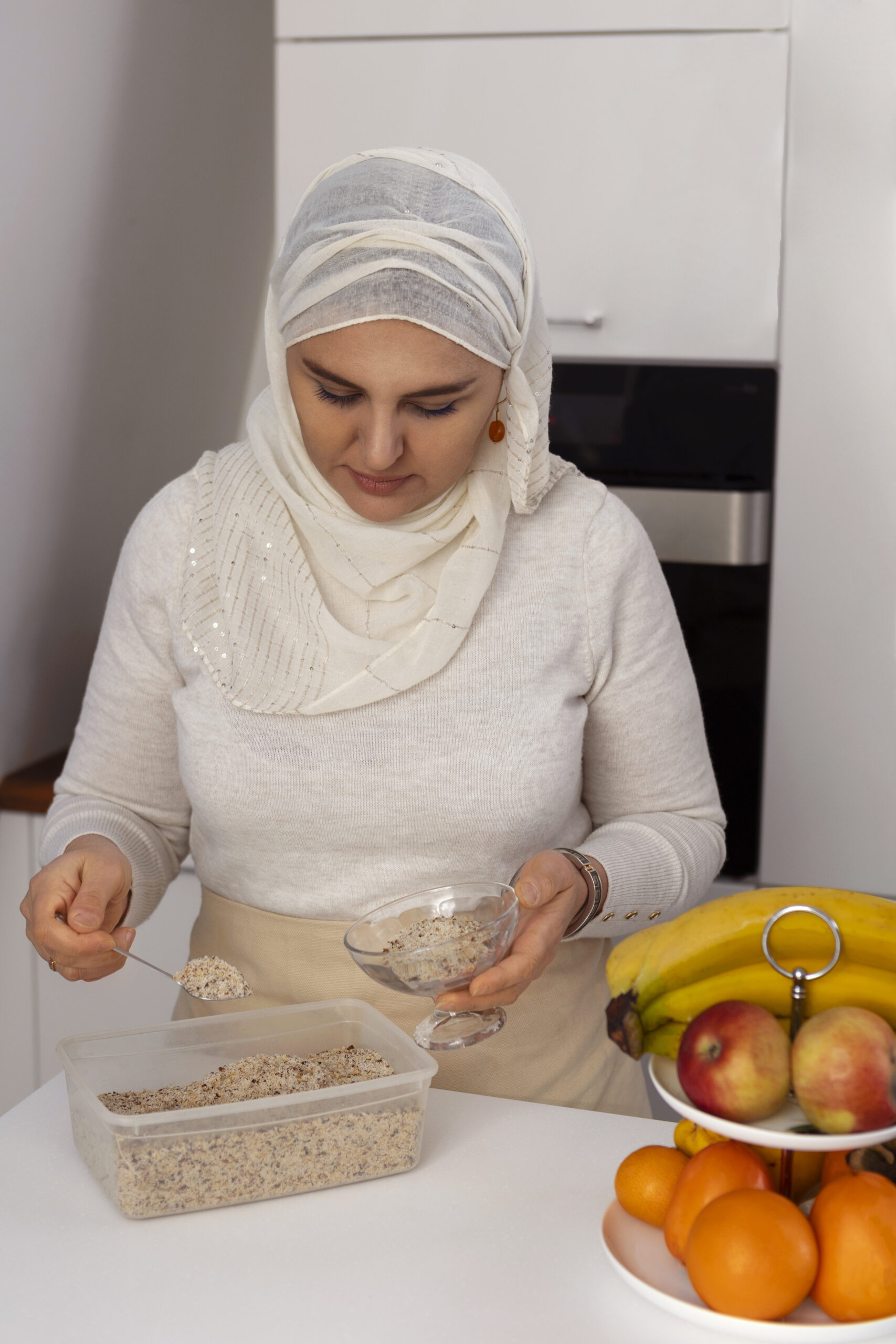
Photo: Boost your health this year by adding fibre-rich foods like whole grains, fruits, vegetables, and legumes to your diet, small swaps for long-term benefits (Credit: Freepik)
Rachel Kayani,
Science Tutor and Writer