By Middle East Correspondent
London, (The Muslim News): Israeli authorities blocked several united nations humanitarian missions into the Gaza Strip on Friday, including one aimed at reaching a wastewater treatment plant in Khan Younis, further restricting assistance to civilians in urgent need.
Citing the United Nations Office for the Coordination of Humanitarian Affairs (OCHA), UN spokesperson Stéphane Dujarric told reporters that UN teams “attempted to coordinate eight humanitarian missions, five of which were fully facilitated.”
“The three other missions, including one to reach a wastewater treatment plant in Khan Younis, were denied by the Israeli authorities,” he said. The missions that did proceed collected food and medical supplies at Kerem Shalom and Karem Abu Salem, while monitoring humanitarian cargo at the Kerem Shalom and Kissufim crossings.
“Four months since the ceasefire agreement came into effect, the humanitarian scale-up has saved countless lives and pushed back famine in Gaza,” Dujarric said.
“Many people in Gaza, however, remain living in extremely harsh conditions, and the humanitarian response faces significant obstacles, especially to the entry of goods and the ability of humanitarian partners to operate,” he added. Nearly 1.5 million people — around two in every three Palestinians in Gaza — “are staying in 1,000 displacement sites that are often overcrowded, and in tents that offer no privacy and little protection from the weather.”
Although UN partners provided tents, bedding and clothing to more than 85,000 families in January, Dujarric warned that “to provide more durable solutions, restrictions on the entry of essential construction materials and equipment must be lifted.”
An October 10 ceasefire agreement formally ended Israel’s two-year war, which began on October 8, 2023. Palestinian authorities say the conflict killed more than 72,000 Palestinians and wounded over 171,000, while destroying or damaging 90 per cent of civilian infrastructure. The UN estimates reconstruction costs at approximately $70 billion.
Despite the truce, Gaza’s Health Ministry reports that at least 591 Palestinians have been killed and more than 1,578 injured in Israeli attacks since the ceasefire took effect.
Settler attacks and military raids across the West Bank
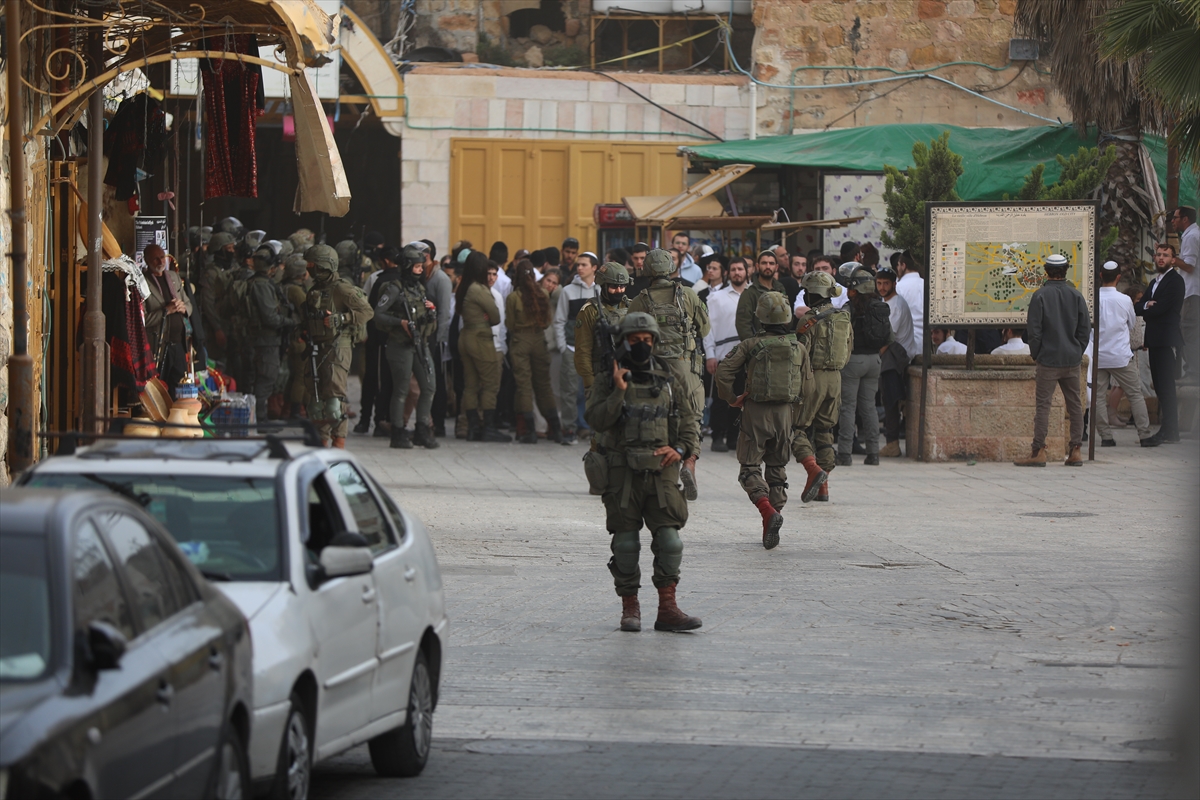
Violence also intensified across the occupied West Bank, where dozens of Palestinians were injured in a wave of illegal Jewish settler attacks carried out under the protection of the Israeli military.
At least 54 Palestinians were wounded on Friday morning as settlers attacked several towns and villages. In Talfit, south of Nablus, settlers assaulted Palestinian farmers on their land. Israeli troops fired tear gas and live ammunition at residents attempting to repel the attack.
Images from the village showed homes with shattered windows and vehicles with smashed windscreens. Settlers also destroyed around 300 olive trees near the town of Turmus Aya, in the Ramallah area, according to local sources cited by WAFA.
Between October 7, 2023, and February 5 this year, at least 1,054 Palestinians were killed in the West Bank by Israeli forces and settlers, according to the latest UN figures.
In Tuqu‘, southeast of Bethlehem, Israeli occupation forces shot a young Palestinian man during confrontations that followed a military raid on Friday evening. Taysir Abu Mafreh, head of the Tuqu Municipal Council, told WAFA that Israeli forces deployed in the town centre and fired live ammunition, tear gas, stun grenades and flash grenades.
He confirmed that a man in his 20s was struck in the thigh by live fire and transferred to a local clinic for treatment.
Elsewhere, Israeli forces fired tear gas at worshippers inside a mosque in Kafr Malek, east of Ramallah. Local activist Jihad al-Qaq said soldiers stormed the town and launched stun grenades and tear gas at those inside the mosque. No injuries were reported.
In Talfit, Israeli forces later surrounded the village mosque as worshippers were leaving Friday prayers. Earlier in the day, settlers had attacked residents there, firing live ammunition and wounding a young man in the thigh, while others sustained injuries and bruises. Witnesses said Israeli forces provided protection to settlers and fired live rounds, stun grenades and tear gas at residents and their homes, causing cases of suffocation.
Israeli shelling in Southern Lebanon
In southern Lebanon, Israeli forces carried out artillery shelling and opened fire on multiple towns on Friday, in what Lebanese media described as the latest violation of a ceasefire agreement in place since November 2024.
Lebanon’s state-run National News Agency reported that five Israeli artillery shells struck the Wadi Mazlam area, while heavy machine-gun fire targeted the outskirts of the border town of Yaron.
An Israeli drone reportedly dropped two sound bombs near Aita al-Shaab in the Bint Jbeil district. Additional heavy-calibre shelling was recorded on the outskirts of Beit Lif, while the towns of Aitaroun and Blida were subjected to bursts of gunfire. No injuries were reported.
The incidents come amid repeated Israeli violations of the ceasefire, which Lebanese sources say have killed and wounded hundreds. Israel continues to occupy five Lebanese hilltops seized during the latest war, in addition to other territories it has held for decades.
Israel began military operations against Lebanon in October 2023, escalating into full-scale war in September 2024. More than 4,000 people were killed and around 17,000 wounded during the conflict.
[Photo: Israeli soldiers protecting illegal Israeli settler raiding Old City of Hebron, in the southern West Bank on February 14, 2026. Photojournalist: Wisam Hashlamoun/AA]