By Middle East Correspondent
LONDON, (The Muslim News): Fresh diplomatic efforts to end the widening Middle East conflict began on Saturday as high-level talks between Iran and the United States opened in Islamabad under Pakistani mediation.
The negotiations, described as the most significant since 1979, have already moved into an expert-level phase, with senior delegations from both sides engaging on key conditions. Iran has reportedly insisted on the release of its frozen assets abroad and insisted that a full ceasefire should be in place in Lebanon, where Israeli strikes continue despite a broader truce.
Among those attending are US Vice President J. D. Vance, special envoy Steve Witkoff, and Jared Kushner, while the Iranian delegation is led by Parliament Speaker Mohammad Bagher Qalibaf and includes Foreign Minister Abbas Araghchi.
Hosting the talks, Pakistan’s Prime Minister Shehbaz Sharif expressed cautious optimism after meeting both sides, saying he hoped the discussions would serve as a “stepping stone” toward durable peace.
The talks follow a two-week ceasefire announced earlier this week by US President Donald Trump, who said Tehran had presented a “workable” 10-point proposal for negotiations. Yet developments on the ground continue to test that fragile pause.
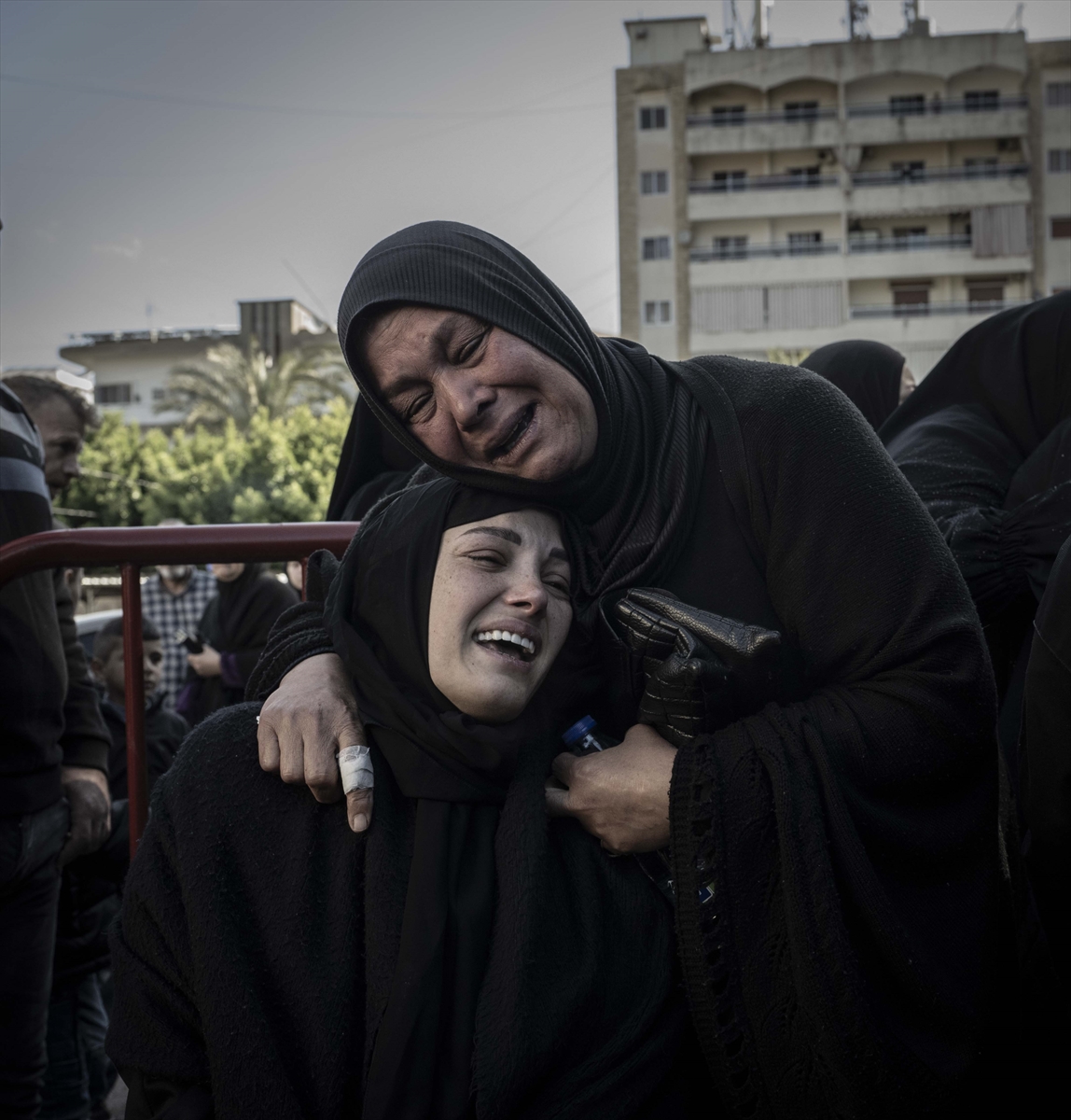
Despite the ceasefire, Israeli attacks intensified in Lebanon on Saturday, with at least 11 people killed in a wave of airstrikes across the Nabatieh region. According to local reports, strikes hit towns including Toul, Kfar Sir, Qsaibeh, and Mayfadoun, killing civilians and damaging infrastructure such as a private electricity generator facility in Jebchit.
Rafik Hariri Hospital in Beirut has begun DNA testing on human remains to identify dozens still missing after Wednesday’s massacre. Israeli strikes were so powerful they mangled bodies beyond recognition, with many victims arriving at hospitals in bags. Identification could take weeks.
“This is the strike that killed my relative Rana Malaeb while she was at a pharmacy picking up medicine to distribute to displaced people. She was murdered by terrorists [Israel] while trying to help people. Yet this is what Israel and some western media outlets call a ‘Hezbollah target'” tweeted Rania Khalek, Lebanese Journalist.
In addition the Israelis are refusing to allow a Lebanese Army patrol to rescue 6 civilians from the southern Lebanese village of Mansouri, including its mayor. The Israelis even fired on the patrol to prevent the humanitarian rescue.
Lebanese journalist Radwan Mortada makes a reference to a southern Christian village water pipe that the Lebanese President Joseph Aoun was mocked for saying he couldn’t fix because Israel would not permit it.
the attacks comes even as Lebanon and Israel prepare for their first formal meeting on April 14 at the US State Department — a parallel diplomatic track aimed at securing a more lasting ceasefire.
The broader conflict has already exacted a significant military and financial toll. The US has reportedly lost 24 MQ-9 Reaper drones since hostilities began on February 28, including eight since April 1, at an estimated cost of $720 million. The aircraft, produced by General Atomics Aeronautical Systems, are central to surveillance and precision strike missions. Data cited by CBS indicates that US and Israeli forces have struck more than 13,000 targets inside Iran, while Tehran has retaliated across at least 12 countries.
As regional tensions spill into contested religious and political spaces, Israeli forces also imposed tight restrictions in Jerusalem on Saturday during Holy Saturday observances. Checkpoints were set up across the Old City, limiting access to the Church of the Holy Sepulchre, with some worshippers reportedly stopped, searched, or turned away. The Greek Orthodox Patriarchate of Jerusalem had earlier urged Christians to attend the services despite heightened tensions.
Amid these developments, the conflict has also reverberated inside the United States. Secretary of State Marco Rubio ordered the termination of lawful permanent resident status for three Iranian nationals — Seyed Eissa Hashemi, Maryam Tahmasebi, and their son — over alleged ties to figures associated with Iran’s government. The individuals were arrested earlier this week and are currently being held by US Immigration and Customs Enforcement pending removal proceedings.
“The Trump administration will never allow America to become a home for foreign nationals tied to anti-American terrorist regimes,” the State Department said.
Together, the developments illustrate a volatile moment in which fragile diplomacy is unfolding alongside continued military escalation, leaving the prospects for a sustained peace uncertain.
[Photo: Some of the family members of 13 Lebanese security personnel, who were killed by Israeli airstrikes near a government complex and a State Security office in Nabatieh, mourn on April 11, 2026 in Sidon, Lebanon Photojournalist: Murat Şengül]