By Middle East Correspondent
LONDON, (The Muslim News): Former Labour leader Jeremy Corbyn has accused the UK Government of helping Saudi Arabia “bomb Yemen” after Britain agreed to provide an RAF tanker to refuel Saudi fighter jets.
“Helping the US to bomb Iran. Now, helping Saudi Arabia to bomb Yemen. This is a terrible and shameful decision, which drags Britain further into conflict, deepens its complicity in Saudi war crimes and proves that no lessons have been learned whatsoever,” Corbyn, parliamentary leader of Your Party, said.
The Government said the deployment was defensive, following a Saudi request for additional military support to protect the kingdom from missile and drone attacks by Ansar Allah, commonly known as the Houthis.
The Ministry of Defence said on September 22 that an RAF Voyager would provide “air-to-air refuelling” to support Saudi “defensive activity in support of the legitimate government of Yemen”.
The decision has prompted questions over whether the additional flying time provided to Saudi aircraft could also support operations inside Yemen.
The Times reported that Saudi aircraft receiving British aerial refuelling could potentially use their additional endurance for operations against targets inside Yemen, including missile launch sites, drone facilities and weapons depots.
Defence Procurement Minister Luke Pollard acknowledged that the meaning of “defensive” was a “grey” area and did not necessarily mean only intercepting incoming missiles and drones, according to The Times.
Pollard told LBC that British support was intended to help Saudi aircraft “defending the country from attacks by drones and missiles rather than supporting strikes against the Houthis”.
The RAF Voyager is an air-to-air refuelling aircraft. It is expected to operate from RAF Akrotiri in Cyprus and support Saudi Eurofighter Typhoons, according to The National, which reported that the deployment would allow the Saudi jets to remain airborne for longer during patrols.
Aviation expert Tim Ripley described the additional capability provided by a single tanker as “marginal” rather than a “step change”, The National reported.
The Times also reported that the increased endurance could allow Saudi aircraft to spend longer conducting operations against targets inside Yemen. It reported Pollard saying that the tanker could “massively increase” the lethality of Saudi aircraft by keeping them airborne for longer.
The new deployment adds to Britain’s existing military support for Saudi air defence.
The Government said Britain already provides air-defence equipment and British personnel to help protect Saudi Arabia against missile and drone attacks.
The Times reported that around 100 British troops were already in Saudi Arabia supporting its air defences. The newspaper also reported that Britain had previously deployed the Sky Sabre missile system, which was integrated into Saudi and wider regional air-defence networks.
The Times reported the Sky Sabre deployment as costing £250 million and said the system can engage aircraft, drones and other aerial threats.
Prime Minister Andy Burnham said the new support was “in the interests of Britain”, citing the potential impact of the conflict on energy supplies, trade and household prices.
Burnham said the deployment would be “time-limited” and remain under review.
Pollard told The Times that the support was expected to last for “weeks, rather than days”.
The Ministry of Defence said escalating tensions in the Gulf could increase prices, disrupt energy supplies and impose additional costs on British businesses.
It described Ansar Allah as a threat to regional stability and said Saudi Arabia and Yemen’s internationally recognised government had the right to “defend themselves”, despite it was Saudi Arabia that started the recent war by bombing Sana’a civilian airport as aircraft bringing Ansar Allah officials from visit to Iran. It was after this bombing by Saudi Arabia that Ansar Allah retaliated against the Kingdom.
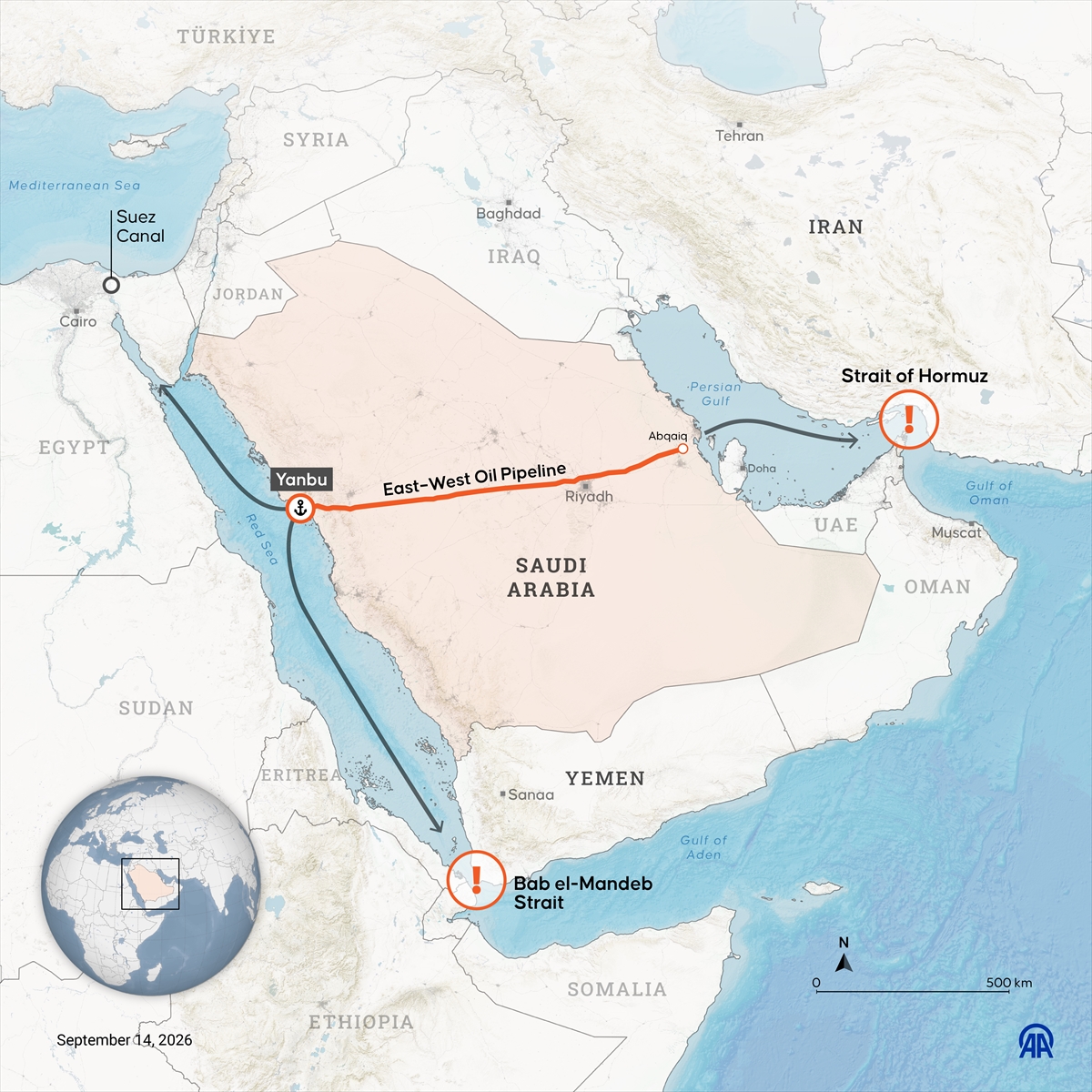
A key concern for regional governments is the Bab al-Mandeb, the narrow Red Sea passage linking the Red Sea with the Gulf of Aden and an important route for international trade and energy supplies.
The G7, including Britain, said on September 22 that attacks by Ansar Allah against Yemen and Saudi Arabia represented a threat to regional stability, global energy security and freedom of navigation in the Red Sea and Bab al-Mandeb.
The G7 called for an immediate end to military action and backed a negotiated political settlement in Yemen.
Reuters reported earlier this month that Ansar Allah had reached the strategic island of Perim in the Bab al-Mandeb.
The Africa Centre for Strategic Studies said the group’s territorial gains along the Red Sea coast had increased its leverage over the shipping route.
Saudi energy infrastructure has also come under pressure. Reuters reported that Saudi Arabia’s oil-export routes were facing disruption following damage to infrastructure, while
The Times linked the situation to concerns about an oil-supply shock and higher prices.
The Voyager deployment follows Britain’s previous participation in US-led strikes against Ansar Allah targets in Yemen.
The Government said those operations were intended to disrupt the group’s ability to attack shipping.
Stop the War Coalition criticised the latest deployment, arguing that the Prime Minister should oppose further British involvement in Middle East conflicts and pursue ceasefire and diplomatic efforts instead.
Corbyn also linked the decision to Britain’s wider military involvement in the region, accusing the Government of drawing Britain further into conflict.
[An infographic showing the route of “East–West Oil Pipeline” created in Ankara, Turkiye on September 14, 2026. Photojournalist:Murat Usubali/AA]